Are Air Quality Tests Missing Something?

Taking an air quality test when a customer believes mold might contaminate their home is the first step. Yet, hearing some technicians arrive and announce they are there to take such tests without delving into details can be disconcerting - especially since false negatives may occur! 

Not only does this create distrust between customers and techs, but it also sends misinformation about potential hazards directly to healthcare providers due to a lack of expertise from the technician's side. 

At Pure Maintenance of Texas, we always strive to be experts in our field to provide valuable information reliably.


If you ever wonder about the air quality around you, there are many tell-tale signs to look out for - aside from an official air quality test:

You feel under the weather all the time with no particular cause.

Trust your gut - take some time to look at home for potential sources of fatigue. You know yourself and your environment better than anyone else, so relying on your instincts will often lead you in the right direction.

Your home has been subject to a past flood or leak event.

There is a very high chance you could be dealing with elevated mold levels. Have peace of mind knowing that the effects can typically be reversed and remedied through proper inspection and treatment.

Your home has an odor.

The idea of a 'musty-smelling house' is universally understood, yet its inhabitants can often be oblivious to the underlying odor due presumably to our natural ability for adaptation. It's something that human biology blesses and curses us with, usually without any warning!

When the air conditioner or heater is switched on, there’s an unpleasant odor.

This can often be attributed to a high level of mold colonies living in the HVAC system - essentially transforming it into a veritable breeding ground.

The bathroom has signs of darkened grout or mold on the ceiling or around drains/window sills.

All these seem normal, but unfortunately, a healthy home should have none or at least very few instances of these - any such issues must be identified and addressed promptly for health reasons.

Seasonal allergies have become less seasonal and are constant.

Allergens don’t always follow the seasons - many homeowners find their symptoms persist throughout the year. Fungal spores from excess mold in homes can wreak havoc on people's sinuses and is often a flag for professional remediation services. Frequent morning congestion, compounded by unpleasant discharge upon blowing one’s nose, indicates an elevated fungal load that needs to be addressed as soon as possible.

Paint peeling and water stains on drywall. 

Where there is peeling, there is usually water. Where there is water, there is mold. To prevent the spread of this potentially hazardous fungus, it's essential to address any signs of surface damage quickly and effectively.

Persistent sore throat or coughing, which is often unresponsive to antibiotic treatments.

Furthermore, additional symptoms such as rash and itching of the skin should not be overlooked.

If your home or building presents any of these eight telltale signs, it could indicate an elevated mold load. Be sure to investigate further for continued safety and peace of mind.

Improve indoor air quality and ensure a healthier environment for you and your family with Pure Maintenance of Texas. Get in touch today to find out how we can help!
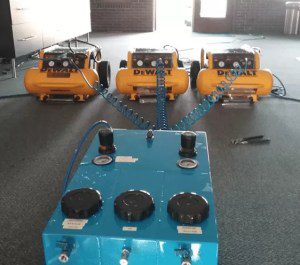


What is Dry Fog Mold Remediation, and How Does It Work?

Pure Maintenance's Sugar Land mold remediation is an innovative two-step process that ensures all indoor spaces are free from pesky and potentially hazardous growth. Our patented dry fog technology produces a safe, ultra-fine vapor comprised of water and an environmentally friendly biocide that effectively penetrates even the most difficult-to-reach areas like air ducts or behind walls for complete coverage against existing mold spores.

A Comprehensive Process

At the start of any mold remediation job, our team begins with a comprehensive evaluation to determine all areas affected. Following this, we utilize advanced dry fog equipment and EPA-approved products that work in perfect synergy to eliminate visible and hidden mold - preventing it from coming back for good. 

Non-Destructive

Our process offers a non-destructive way to fight against potentially hazardous mold. No expensive tear-out or sanding is needed, so you can keep furniture, clothing, and other items safe - plus, the process takes only 4–6 hours! Save energy (and money!) while getting your home clean fast with minimal disruption.

Commercial Properties

The treatment is also suitable for larger commercial properties where mold is often a problem. Our equipment is able to cover large areas quickly and effectively, eliminating mold in a matter of hours and allowing the business to resume operations as soon as possible.

Conclusion

Dry fog remediation is an incredibly efficient way to remove mold and ensure the health of any indoor space. This non-invasive method can be used in residential or commercial buildings and penetrates even hard-to-reach areas like air ducts, completely eliminating all traces of dangerous spores for good. With dry fog technology, users are guaranteed a safe environment free from hazardous fungal growth!

Contact us today to learn more!

Understanding the Risks of Mold and How to Identify It

Mold is a fungus that can form in your home and cause serious health risks. There are many types of mold, some of which can be easily identified by sight or smell, while others require more specialized tests.

This article will explain the dangers of mold, how to identify it, and what you should do if you think you have it in your home.


The Dangers of Mold

Mold can cause various health issues, from allergic reactions, sneezing, and coughing to more serious respiratory illnesses.

Long-term exposure may lead to chronic sinusitis or lung infections. Some molds produce toxins that can be harmful when ingested or inhaled.

How to Identify Mold

Mold often looks like small spots on walls or other surfaces that may be black, green, brown, or white. It may also have a musty odor that is easy to detect with your nose.

If you suspect mold in your home but don’t see any visible signs, you can use a moisture meter or infrared camera to detect hidden areas where moisture is present.

These tools are available at most hardware stores and can help you identify any potential sources of mold before they become a problem.

To identify mold in your home, look for the following signs:

  • Musty odors in your home
  • Visible mold growth, often appearing as black, green, or white spots
  • Peeling or discolored paint
  • Stains on walls or ceilings
  • Warped or distorted wood
  • Water damage, such as water stains or water leaks


What To Do if You Suspect Mold

If you find signs of mold in your home, it’s essential to remove it immediately. Start by addressing the source of the moisture—is there a leaky pipe? A crack in the foundation? An improperly sealed window?

Fixing these issues will reduce the chances of mold growth and ensure the problem doesn’t come back again. After selecting any underlying causes of moisture, thoroughly clean all affected surfaces with soap and water or an antifungal cleaner before repainting or sealing them off entirely with caulk or paint sealant.

If necessary, hire a professional to help with removal and cleanup—it’s better to be safe than sorry!

To prevent mold from growing in your home, take the following steps:

  • Keep your home well-ventilated
  • Fix any leaks or water damage as soon as they occur
  • Clean and dry any damp or wet areas in your home immediately
  • Use a dehumidifier in damp areas of your home
  • Ensure your home has proper drainage to prevent water from building up in crawl spaces or basements.

In conclusion, mold is a problem that poses significant risks to your health if not dealt with promptly and correctly. Fortunately, understanding how to identify potential sources of mold and taking quick action can help keep it from becoming an issue in your home.

Educating yourself on the dangers of mold is one way to protect yourself and your family from its adverse effects!

Are you facing indoor air quality issues due to mold in your home or business? Contact Pure Maintenance of Texas now and experience our reliable services that will provide a quick solution!


Why does bread mold so fast in my house?

Why does bread mold so fast in my house?

For that sliced white bread image: Alt text: Loaf of sliced white bread stored on a kitchen counter

If your bread goes fuzzy in three days while your neighbor's lasts a week, the usual answer isn't dramatic. It's humidity, how the bread is stored, and whether it has preservatives in it. Around Houston, that first one does a lot of the work.

There's a version of this question that's worth taking seriously, though, and we'll get to it. But let's start with what's actually happening on the counter.

Why Bread Molds in the First Place

Mold spores are already everywhere. They're floating in the air of every kitchen on earth, they settle on the loaf while it cools at the bakery, and more land on it every time you open the bag. You can't buy bread that has no spores on it, and that's not a knock on your grocery store. That's just how the world works.

So spores aren't really the variable. What decides how fast bread molds is whether those spores get what they need, and bread is generous on that front. It's soft, it's full of starch, and it holds moisture. Leave it somewhere warm and damp and you've built mold a nice little home.

Three things move the needle:

  • Humidity. The single biggest factor in most kitchens. Damp air keeps the crust and the bag damp, and damp is the green light.
  • Temperature. Mold likes the same room temperature you do. A warm kitchen speeds everything up.
  • Preservatives, or the lack of them. This one surprises people. Bakery bread, homemade bread, and "no preservatives" loaves mold noticeably faster than standard grocery-store bread, because the thing keeping that other loaf fresh for a week is chemistry, not luck.

That last point explains a lot of "my bread molds so fast" mysteries all by itself. If you switched to fresh bakery bread or a preservative-free brand, you didn't get a mold problem. You got bread that's behaving the way bread naturally behaves.

Why It's Worse Around Houston

Here's where the Gulf Coast earns its reputation. Our air is humid most of the year, and kitchens are humid rooms to begin with. You boil water, you run the dishwasher, you cook. In a dry climate a loaf on the counter dries out. Here, it stays damp.

So yes, bread genuinely does mold faster in a Houston-area kitchen than it would in Denver. That's not your imagination, and it's not a sign that something's wrong with your house. It's the climate you live in.

What Actually Helps

Storage is where you have the most control, and every option is a tradeoff between mold and texture. Here's the real tradeoff:

Where to Keep Your Bread

Storage spot Slows mold? What it does to texture Best for
Counter, in its original bag A little Keeps it soft and good Bread you'll finish in two or three days
Bread box A little Good balance, holds the crust A few days, if your kitchen isn't too humid
Refrigerator Yes Goes stale faster, and that's real Humid stretches when you'd rather have stale than fuzzy
Freezer Stops it cold Fine once it thaws, especially if sliced first Anything you won't eat within a few days

The fridge trade is the one people get wrong. It really does slow mold, and it really does stale your bread faster.

A few other things that help: keep the bag closed and squeeze the air out, never bag a warm loaf since the trapped steam is exactly what mold wants, and if you're not going to finish it, freeze it on day one rather than day four. Slice before freezing and you can pull out what you need.

And if your kitchen runs humid, an exhaust fan while you cook and a humidity gauge on the counter will tell you more than any bread hack will. Under 60 percent is the target, and 30 to 50 is better.

When It Is Telling You Something

Now for the version of this question that deserves a real answer.

Bread molding fast on its own? That's almost always humidity and storage. Don't read anything into it. But if it's happening alongside other things, that's a different conversation. If your bread molds fast and there's mold on your shoes and leather in the closet, and the house has a musty smell you can't place, and your towels never quite dry, that's not four problems. That's one problem showing up in four places.

One moldy loaf is a bread story. Bread, shoes, and a musty smell together is an air story.

What connects them all is moisture in your air. That's the thing worth paying attention to, and it's worth being clear about what we're saying and what we're not. We're not telling you your groceries are a diagnostic tool. We're saying that when several small things point the same direction, the direction is usually humidity.

Where We Fit In

If the answer here is "store your bread better" or "run the exhaust fan," that's the answer, and you don't need us for it. We'd rather say so.

But if you're seeing the wider pattern, mold turning up on your belongings, a musty smell that won't quit, air that just feels heavy, that's a moisture problem worth understanding. Our patented VaPURE dry fog process reaches spaces that cloths and sprays can't, addressing airborne contaminants and odor at the source and helping restore your indoor air to a healthier condition. And if what you actually need is a plumber or a licensed assessor, we'll point you there instead.

Frequently Asked Questions

Why does my bread mold faster than it used to?

Usually one of three things changed: the season got more humid, your kitchen got warmer, or you switched to a bread with fewer preservatives. Bakery and homemade loaves mold much faster than standard grocery bread, and that's normal rather than a problem.

Does bread mold mean my house has mold?

Not by itself. Spores are in every home's air, so fast-molding bread mostly points to humidity and storage. It's worth a second look only if it's happening alongside other signs, like a musty smell, mold on shoes or leather, or laundry that never quite dries.

Can I just cut the moldy part off and eat the rest?

With soft bread, no. Bread is porous, so what you see on the surface has usually spread further in than it looks. The USDA's guidance is to toss the whole loaf. Hard cheese and firm produce are a different story, but soft, porous foods aren't worth the gamble.

Does keeping bread in the fridge stop mold?

It slows it down a lot, but there's a real cost: refrigeration makes bread go stale noticeably faster. If you want the mold protection without the staling, use the freezer instead. That's the storage option that actually wins on both counts.

Is the mold on bread dangerous?

Don't eat it, and don't sniff it to check. Beyond that, briefly handling a moldy loaf and throwing it out isn't cause for alarm for most people. If you're concerned about how mold might affect your health, that's a question for your physician, and here's a closer look at what the research says.

Noticing a musty smell, or mold showing up in more than one place? Let's talk about what's really going on.

Schedule an Evaluation

Can UV Lamps Kill Mold in Your Home?

UV lamp red line vector icon

Mold is a common issue, especially in high-humidity climates. It can be a nuisance and even cause health issues if left untreated. Homeowners may wonder if using a UV (ultraviolet) lamp to kill mold is effective. Let’s look at UV lamps’ efficacy in eliminating mold in your home.

How Do UV Lamps Work?

UV lamps emit ultraviolet light, which can help eliminate germs, bacteria, viruses, and other contaminants. When used correctly, they can help reduce the number of airborne particles that could cause health problems or worsen existing health conditions. However, there are limitations to using UV lamps for mold control.

Limitations of Using UV Lamps for Mold Control

First, it is essential to note that while UV lamps can help reduce the number of airborne particles, they cannot kill mold on surfaces such as walls or ceilings where it has already taken hold.

This is because ultraviolet light does not penetrate deeper than three millimeters into porous materials like wood and drywall, making it ineffective against mold colonies that have already taken root.

Furthermore, according to the EPA, certain types of mold are resistant to ultraviolet radiation or require more intense levels of exposure than most consumer-grade UVC lamps can provide.

This means that while you may still be able to reduce the airborne particles from existing colonies, you won’t necessarily eliminate them by using a UV lamp alone.

Finally, even with advanced UVC lamps that produce higher intensity levels of ultraviolet radiation, there is always the risk of exposing yourself or your family members to these powerful lights, which could have adverse health effects over time.

Conclusion

Using a UV lamp certainly has benefits when it comes to killing germs and reducing airborne particles. Still, unfortunately, they cannot eliminate colonies from surfaces like walls or ceilings where they have already taken hold.

Also, some types of mold are resistant to ultraviolet light or need more intense exposure than most consumer-grade UVC lamps can give. This means that these types of mold can't be killed with these lamps.

So, using a UV lamp might help reduce the number of mold spores that get into the air from existing colonies, but you shouldn't count on it as the only way to get rid of all types of mold in your home.

If you have a mold problem in your home, it's best to talk to a professional. They can tell you the best way to safely get rid of any existing colonies and prevent new ones from growing.

Breathe easy! Protect yourself and your family from dangerous mold-related illnesses with Pure Maintenance of Texas. Our advanced technology makes sure that harmful pathogens are removed and don't come back, so you can be sure that they won't be a problem in the future.

Contact us today!

Is It Normal for Mold to Grow in Your HVAC System?

A girl stands under air conditioning and a stream of fresh cold air against a gray wall.


Mold is one of the most common indoor air pollutants found in many places around your home. But did you know that it's also possible for mold to grow in your heating, ventilation, and air conditioning (HVAC) system? 

In this blog post, we'll discuss why mold might be present in your HVAC system and what you can do about it.

Where Does Mold Come From?

Mold spores exist naturally in the air outdoors, but they can find their way indoors too. They're particularly prone to settling on damp surfaces, where they can thrive and reproduce. 

That's why it's essential to keep your home dry by fixing all leaks promptly and using a dehumidifier if necessary. Mold loves warm temperatures and dark spaces—unfortunately, those are two things an HVAC system has in abundance! 

If spores settle on any part of the HVAC system, they may start to grow and reproduce as long as moisture is present. And once established, a single patch can quickly spread throughout the entire system via ductwork or other components. 

The good news is that regular maintenance visits should catch any potential problems before they become serious issues.

Dangers of Mold Growth

When left unchecked, mold growth can cause several problems in your home. 

For starters, it contributes to poor indoor air quality, which can lead to health issues such as allergies or asthma attacks for some people. 

Also, mold growth may reduce your HVAC system's efficiency because it blocks airflow through ducts or other components. 

Finally, if left unchecked for too long, significant damage could be done to parts of your HVAC system that would require costly repairs or replacements.

Conclusion

It's natural for some spores to settle on various components within an HVAC system—but if not addressed promptly and correctly, those few spores could quickly turn into a full-fledged infestation! 

To keep yourself safe from potential health hazards and expensive repair bills down the road, make sure that you schedule regular maintenance visits with a qualified technician who will inspect each component thoroughly for any signs of growth—and take action quickly if any problems are found! 

Don't let mold and other pathogens ruin your air quality! Pure Maintenance of Texas is here to help ensure you can take a deep breath without worry - for years to come. 

Get in touch today, so we can keep your HVAC system clean, healthy, and safe from unwelcome guests like mold.