Can Mold Cause Chronic Fatigue? What NIH Research Says

Can Mold Cause Chronic Fatigue? What NIH Research Says

A new federally funded study is asking a question a lot of people in humid climates have wondered about: can mold exposure play a role in chronic fatigue? Here's what the research is actually looking at, and, just as important, what it hasn't shown yet.

Can mold exposure cause chronic fatigue?

The straight answer is that researchers don't know yet. There's no proven cause-and-effect link between mold and chronic fatigue syndrome, but a major new study is now investigating whether one exists.

Some people living with chronic fatigue syndrome have reported that their symptoms started after time spent in mold-contaminated spaces. That observation is part of what prompted the research. It's worth remembering that two things happening together isn't the same as one causing the other, and closing that gap is exactly what the study is designed to do.

What the new NIH-funded study is investigating

Researchers at Nova Southeastern University have received a $3 million grant from the National Institutes of Health to study whether byproducts from certain molds affect people with ME/CFS.

The funding comes from the NIH's National Institute of Neurological Disorders and Stroke and runs through 2031. The team plans to collect biological samples from more than 200 participants and measure their exposure to mycotoxins, which are compounds produced by certain types of mold, to see whether specific exposures line up with immune-system changes tied to the illness.

Right now this is a question scientists are studying, not an answer they've reached.

What is chronic fatigue syndrome?

Chronic fatigue syndrome, known medically as ME/CFS, is a serious long-term illness that causes extreme fatigue that rest doesn't relieve, along with brain fog, sleep problems, and a worsening of symptoms after physical or mental activity.

According to the CDC, between 836,000 and 3.3 million Americans are living with ME/CFS, and the vast majority remain undiagnosed. Part of the reason is that there's no single test that confirms it, which makes research into possible triggers like this one especially valuable.

Why this question comes up so often on the Gulf Coast

Along the Gulf Coast, high humidity, heavy rain, and flooding create exactly the damp conditions mold needs, so questions about mold and health tend to come up here more than most places.

Houston-area homes deal with year-round humidity, HVAC systems that run hard for most of the year, and slab foundations that can hold moisture. None of that means mold is making anyone sick, and it's worth understanding what mold exposure actually does and doesn't do. It does mean indoor moisture is worth taking seriously here, whatever future research concludes.

What you can actually do about mold and moisture

Whatever the research eventually shows, the practical step is the same one experts already recommend: control the moisture. The EPA puts it plainly. The key to controlling mold is controlling moisture, and if you clean up mold without fixing the water source, it usually comes right back.

Here's what that looks like in practice:

  • Fix leaks and drainage problems quickly, and dry any wet materials within about 24 to 48 hours.
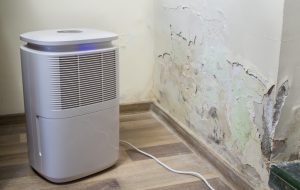
  • Keep indoor humidity down with good ventilation, exhaust fans, and a dehumidifier where you need one.
  • For a small patch (the EPA uses roughly 10 square feet as a rough guide), many homeowners can handle the cleanup themselves.
  • For larger areas, water that may be contaminated, or mold in your HVAC, it's worth bringing in a professional.

Fixing the water source is the foundation. Once that's handled, our patented VaPURE dry fog process can help address what mold left behind, so the space is clean and your indoor air is healthier again.

If you've already had a leak or flooding, here's how to keep water damage from turning into a mold problem.
A note on your health. If you're dealing with ongoing fatigue or other symptoms, those are questions for your physician, not something to sort out from a web page. And if you want your home's air quality formally tested, that's the job of a licensed mold assessor. We focus on the indoor air quality side, and we're glad to point you in the right direction for the rest.

Frequently asked questions

Does mold cause chronic fatigue syndrome?

There's no proven link yet. Some people with ME/CFS report symptoms starting after mold exposure, and a new NIH-funded study is investigating whether mold byproducts play a role, but a cause-and-effect connection hasn't been established.

What are mycotoxins?

Mycotoxins are compounds produced by certain kinds of mold. Not every mold produces them, and their effects on people are still being researched. The new study is looking at whether exposure to them is connected to immune changes in people with ME/CFS.

How do I know if I have a mold problem in my home?

Common signs are a musty smell, visible growth, and a history of water damage or high humidity. If you want a formal evaluation, a licensed mold assessor can test and confirm what's going on.

Should I test my home for mold first?

If you can already see or smell mold, the EPA notes that testing usually isn't necessary before cleaning it up, since the response is the same either way. If you do want testing done, use a licensed assessor.

Noticing a musty smell or dealing with past water damage? We'll take a look and give you a straight answer about whether you need us.

Schedule an Evaluation

Common Types of Indoor Mold

If you've spent any time reading about mold online, you've probably run into a lot of scary language and not many straight answers. We'd rather give you the honest version.

Mold isn't one thing. It's a whole family of organisms, and the type growing in your home usually says something about the conditions that let it get started. Knowing what you're looking at helps you understand the situation without panicking about it. So here's a walk through the molds you're most likely to find indoors: what they look like, where they show up, and what actually matters.

First, Some Perspective on Mold

Mold is everywhere. It drifts in through open windows, rides in on your shoes, and moves through your HVAC system. A certain amount of it in the air is completely normal, indoors and out. It only becomes a problem when it finds moisture and starts to grow.

The health side is worth being straight about too. According to the CDC, being in a damp, moldy space may cause health effects for some people and none at all for others. Common reactions include a stuffy nose, coughing, watery or burning eyes, and skin irritation. People with asthma or a mold allergy can react more strongly. If you're worried about symptoms, your physician is the right person to talk to, not a website. Here's a closer look at what the research actually says.

The Molds You're Most Likely to Find

Cladosporium

Looks like: olive green, brown, or black, with a suede or powdery texture.

Where it grows: one of the most common molds both indoors and out. It favors fabrics, carpet, painted walls, wood, and the damp parts of your HVAC system, and it handles cooler spots better than most.

What to know: it's usually more of an allergy nuisance than a serious hazard, though sensitive people can still react to it. Wherever it shows up, it's a reliable sign that the area is holding more moisture than it should.

Aspergillus

Looks like: it comes in many colors, including green, gray, yellow, white, and even black, often with a powdery appearance.

Where it grows: extremely common indoors. You'll find it on walls, drywall, insulation, household dust, and inside air conditioning systems.

What to know: most people breathe in Aspergillus spores all the time with no issue at all. For people with weakened immune systems, lung disease, or an existing respiratory condition, it deserves more caution. This is one to take seriously if that describes someone in your home.

Penicillium

Looks like: fuzzy and blue-green or green, sometimes with a touch of yellow.

Where it grows: it loves water-damaged materials like wallpaper, carpet, insulation, and mattresses, along with anything that stayed damp too long. You've met it before as the fuzz on forgotten bread or fruit.

What to know: it's often grouped with Aspergillus on lab reports because their spores look nearly identical under a microscope. Household Penicillium can trigger allergy and asthma symptoms, and its presence usually points to a past or ongoing water problem.

Alternaria

Looks like: dark green, brown, or gray, with a fuzzy, almost velvety texture.

Where it grows: a common outdoor mold that finds its way inside. It settles into damp spots like the areas under sinks, around tubs and showers, and near leaky windows.

What to know: it's a well-known asthma and allergy trigger. If someone in the house has allergies that flare up indoors, Alternaria is a usual suspect.

Stachybotrys chartarum, the so-called "black mold"

This is the one everyone's heard about, so it's worth slowing down for a moment.

Looks like: dark and greenish-black, often with a slimy or wet appearance.

Where it grows: it feeds on cellulose materials like drywall, wood, and cardboard that have stayed wet for a long stretch. Because it needs sustained moisture, it usually signals a leak or a water event that went unaddressed.

The real story: it earned the "toxic black mold" nickname because it can produce mycotoxins, and it's reasonable to treat it with respect. But the internet has turned it into a boogeyman. Cleveland Clinic puts it plainly: black mold rarely causes serious illness or death, and it isn't any more dangerous than other types of mold. On top of that, "black mold" isn't even a real scientific category, since plenty of harmless molds are dark in color. The sensible response is the same as with any mold: find the water source, and take the growth seriously without letting the fear run away with you.

Mycotoxins are still an active area of research. A federally funded study is now examining a possible link between mold byproducts and chronic fatigue, though no cause-and-effect connection has been established.

A few others you might see

Aureobasidium: pink, brown, or black, often found on window frames, caulk, and painted or wooden trim. It's a frequent cause of the discoloration creeping around bathroom and window seals.

Fusarium: pink, white, or reddish, and unusual in that it can grow in cooler, damp conditions like carpet and the space under flooring.

Chaetomium: cotton-like when young, turning gray or black with age, and known for a distinct musty odor. It almost always points to chronic water damage.

The Name Matters Less Than You'd Think

Here's the part most articles leave out. Once you get past the specific species, the practical answer is nearly always the same. Whatever mold you've found, it's telling you one thing.

Different Names, Same Answer

Cladosporium Aspergillus Penicillium Alternaria Stachybotrys Aureobasidium Fusarium Chaetomium and thousands more

They all need the same thing

Moisture

Take it away, and none of them can grow.

This is why the species on a lab report matters less than the water in your walls.

Somewhere in your home, there's more moisture than there should be. That's what every one of these is really telling you.

Mold can't grow without water. Fix the moisture, and you take away the one thing every one of these molds needs to survive. That's why chasing the exact species is less useful than understanding your air and your moisture. A lab name on a report is helpful context. It isn't the whole picture, and it's rarely the thing that solves the problem.

Where Pure Maintenance of Texas Fits In

If you've found growth, or you're dealing with musty odors and lingering air quality concerns, we're glad to help you think through your options.

For visible growth or a known water event, having the area assessed by a licensed professional is a smart first step, and we're happy to point you in the right direction. For the air itself, our patented VaPURE dry fog process reaches the spaces traditional cleaning can't, addressing airborne contaminants and odor at the source and helping restore your indoor environment to a healthier condition.

We'd rather earn your trust by being straight with you than by talking you into something you don't need. Have questions? Call us at 281-220-1425 and we'll give you a straight answer.

Frequently Asked Questions

What's the most common mold found indoors?

Cladosporium, Penicillium, and Aspergillus are the ones you'll run into most often in homes. All three are so common that finding them isn't unusual or alarming on its own. What matters is whether they've found moisture and started growing.

Can you identify mold by its color?

Not reliably. The same species can show up in different colors depending on what it's growing on and how old it is, and completely different species can look nearly identical. Even lab technicians need a microscope to tell Aspergillus and Penicillium apart. Color is a hint, not an answer.

Do I need to know what type of mold I have?

Usually not. The response is the same for every type: find the moisture, fix it, and address the growth. Identifying the species matters mainly when you need documentation, or when a doctor is looking into a specific health question. If you do need to know, that's a job for a licensed mold assessor.

Is black mold the most dangerous kind?

No. Cleveland Clinic states that black mold isn't any more dangerous than other types, and that it rarely causes serious illness or death. "Black mold" isn't even a real scientific category, since plenty of harmless molds are dark in color. Treat any real growth with respect, and skip the panic.

Which molds are most common in Texas homes?

The same ones found everywhere else, though our Gulf Coast humidity gives all of them more opportunity. Cladosporium and Aspergillus thrive in the damp parts of air conditioning systems, which run most of the year here. Penicillium shows up wherever storms or leaks have left materials wet.

Dealing with musty air or growth you can't explain? We're happy to walk through the options with you.

Schedule an Evaluation

This article is for general education. It isn't a medical diagnosis or a formal testing recommendation. For health symptoms, please talk with your physician. For mold testing or a formal assessment, consult a licensed professional.

Can Mold Make You Sick? An Honest Look.

Can mold make you sick? The honest answer is that it depends on the person. Some people react to a damp, moldy space. Others live in the same house and feel nothing at all. Both are normal, and neither means anything is wrong with you.

Mold is one of the most fear-driven topics on the internet, and a lot of what's out there is exaggerated. So here's the straight version, based on what the major medical institutions actually say. We've linked every source at the bottom so you can check our work.

What Mold Exposure Usually Looks Like

When mold does cause a reaction, it usually looks like an allergy. Mayo Clinic describes it as your immune system treating mold spores as invaders, which brings on the same symptoms you'd get from hay fever: a runny or stuffy nose, coughing, postnasal drip, and itchy eyes, nose, and throat. Not dramatic, but genuinely miserable if it drags on for weeks.

A couple of details worth knowing. The reaction can hit right away or show up later, which is part of why mold problems go unnoticed for so long. The symptoms just look like a cold, or a rough allergy season. And being allergic to one kind of mold doesn't mean you're allergic to another.

The most rigorous review of the research, the National Academies' landmark report on damp indoor spaces and health, found solid evidence linking damp indoor environments to upper respiratory symptoms, coughing, wheezing, and worsening asthma in people who are sensitized. That's the well-established part, and it's nothing to shrug off.

And it isn't a small part. A widely cited 2007 study in the journal Indoor Air estimated that about 21 percent of current asthma cases in the United States are attributable to dampness and mold in homes, which works out to roughly 4.6 million people. Related work put the increase in respiratory and asthma-related problems in damp, moldy buildings at somewhere around 30 to 50 percent.

Fair caveat: that 21 percent is a modeled estimate, not a headcount, and it holds if the associations researchers observed are truly causal. But it's the kind of number that reframes things. Roughly one in five asthma cases in this country may trace back to damp buildings. So no, mold isn't the boogeyman the internet makes it out to be. It's also not nothing.

Who Tends to React More

Some people are simply more sensitive, and it helps to know where you stand:

  • People with allergies or asthma in the family. Mayo notes a family history of allergies makes a mold allergy more likely.
  • People with asthma. Mold can trigger and worsen asthma symptoms.
  • People with ongoing lung conditions. More caution is warranted.
  • People with weakened immune systems. This is the group that deserves real care, and we'll explain why below.

That last one is worth being clear about, because it's the place where mold genuinely can get serious. For most healthy people, Mayo points out that mold doesn't cause infections throughout the body. The exceptions are people with weakened immune systems or ongoing lung conditions, where mold can cause an actual infection rather than just an allergic reaction. Cleveland Clinic says the same: if your immune system is compromised, whether from a condition or from medication that suppresses it, mold exposure can lead to a fungal infection in the airways or elsewhere.

So if someone in your home is immunocompromised, going through chemotherapy, or living with a chronic lung condition, a damp or musty space deserves prompt attention. That's not fear-mongering. That's the one part of the mold conversation where the caution is genuinely earned.

How People Actually Respond to Mold

Same house, different reactions

Most people

Little or no reaction at all. Mold spores are part of everyday life, indoors and out.

People with a mold allergy or asthma

Hay fever type symptoms: congestion, coughing, itchy eyes. Mold can also trigger asthma.

People with ongoing lung conditions

Reactions can be stronger, and more caution is warranted.

People with weakened immune systems

Real risk of an actual fungal infection, not just allergy symptoms. This group deserves prompt attention.

Two people can live in the same house and have completely different experiences. Which group you're in matters far more than which mold you have.

What About "Toxic Black Mold"?

You've probably read frightening things about black mold. Here's the real picture, and it's calmer than the internet suggests.

Cleveland Clinic puts it plainly: black mold rarely causes serious illness or death, though it can worsen asthma symptoms, and black mold isn't any more dangerous than other types of mold. On top of that, "black mold" isn't really a scientific category at all, since plenty of harmless molds happen to be dark in color. The mold people usually mean is Stachybotrys, one of the common types of indoor mold.

What about mycotoxins? Some molds do produce them, that part is true. But in 2025 the American College of Medical Toxicology, a nonprofit association of board-certified toxicologists, updated its guidance and concluded that while mold allergies are a real concern, the evidence doesn't support inhaled mycotoxins causing chronic or systemic illness in indoor environments. A 2023 consensus from twelve German medical societies reached much the same conclusion, so this isn't one country's institutions talking to themselves.

That's the current mainstream position, not a closed case. Federal researchers are now running a multi-year study on whether mold byproducts play a role in chronic fatigue, with results still years out. We'll update this page as the science develops.

It's also worth knowing where the panic started. The infant lung-hemorrhage cases that made black mold famous were reviewed by the National Academies, which found the evidence inadequate to determine whether Stachybotrys or building dampness caused them.

Treat real growth with respect. Skip the panic. Both can be true at once.

A Note on the Debate

We'll be upfront: not everyone agrees with the mainstream position. There's a community of practitioners and patients who believe mold drives a much wider range of chronic illness than the major reviews accept, and they have their own research and their own strong convictions. That debate is live, and it isn't ours to settle.

What we can tell you is what the major medical bodies currently conclude, which is what you've read above. If you're working with a physician who takes a different view, that's between you and your doctor, and we're not going to second-guess it. We're an air quality company, not a medical authority, and we'd rather be clear about that line than pretend we can referee it.

Signs Worth Paying Attention To

The clue most people miss isn't a symptom, it's a pattern. If congestion, sniffles, or irritation ease up when you're away from home and come back when you return, that pattern is worth mentioning to your doctor. It's easy to shrug off and genuinely useful to a physician.

Alongside that, the usual signs of a moisture problem: a musty smell, visible discoloration, or a history of leaks or flooding. Any of them means the space is worth a closer look.

What Actually Helps

Here's the part that cuts through all of it. You don't need to identify the species, and you don't need a lab report to know what to do. The answer is the same for every mold there is.

Fix the moisture, then take care of what it left behind. That's the whole playbook.

Mold can't grow without water. Control the humidity, fix the leaks, dry things out fast after a water event, and you take away the one thing every mold needs. Then address what's already there, so the space is clean and the air is healthy again.

Where We Fit In, and Where We Don't

We'll be straight with you about our lane. We work on indoor air quality. We're not doctors, and we won't tell you what your symptoms mean. If you're worried about your health, your physician is the right call, not a mold company's website.

What we can help with is the air. Once the water's handled, our patented VaPURE dry fog process reaches spaces cloths and sprays can't, addressing airborne contaminants and odor at the source and helping restore your indoor air to a healthier condition. And if your situation calls for testing or a formal assessment, that's a licensed assessor's job, and we'll tell you so.

Frequently Asked Questions

Can mold make you sick?

It can for some people and not for others. The most common reactions are allergy-like: congestion, coughing, itchy eyes, and skin irritation. People with asthma, mold allergies, chronic lung conditions, or weakened immune systems tend to react more, and that last group can develop actual infections rather than just allergy symptoms.

How do I know if my symptoms are from mold?

You can't know from a website, and neither can we. The pattern worth noting is whether symptoms ease when you leave home and return when you're back. Bring that to your physician, since they're the only one who can actually connect the dots.

Is black mold more dangerous than other mold?

No. Cleveland Clinic states that black mold isn't any more dangerous than other types, and that it rarely causes serious illness or death. "Black mold" isn't even a real scientific category. The practical response is the same for any mold: fix the moisture and address what's there.

Can mold cause fatigue, brain fog, or other whole-body symptoms?

This is the contested part. The major medical reviews have not found sufficient evidence that inhaled mycotoxins cause chronic or systemic illness from typical indoor exposure. Some practitioners disagree. If you're experiencing symptoms like these, a physician is the right person to talk to, not us.

Do I need mold testing to protect my health?

Usually not. If you can see or smell mold, testing mostly confirms what you already know, and the response doesn't change. Testing makes sense when you need documentation, suspect hidden mold, or a doctor has connected symptoms to it. When it does, use a licensed mold assessor.

Where This Comes From

We'd rather show our work than ask you to take our word for it. This article draws on:

Worried about musty air in your home? We're glad to talk it through. No pressure, no scare tactics.

Schedule an Evaluation

This article is general education, not medical advice. Pure Maintenance of Texas makes no representations about health outcomes. If you have health concerns, please consult a licensed physician.


How to Repair Water-Damaged Drywall

Sugar Land Mold Remediation - water damaged drywallWater damage is a common problem for homeowners, and when it affects drywall, quick action is required. Whether it comes from a leaky pipe, a roof leak, or flooding, water damage can weaken the structure of drywall and make it a good place for mold and mildew to grow. In this article, we'll discuss how to thoroughly and successfully repair drywall that has water damage.

Assessing the Damage

Finding out how serious the issue is is the first step in fixing water-damaged drywall. Look for things like stains, sagging, or a soft, spongy feel. These signs can help you figure out what needs to be fixed right away. Use a moisture meter to find out how much water is in the drywall. This will help you figure out how bad the damage is.

Preparation

It's important to have everything you'll need on hand before beginning the repair process. You'll need a utility knife, a drywall saw, a putty knife, sandpaper, joint compound, drywall patches, screws, a drill, and a paintbrush. Also, make sure you have the right safety gear, like gloves, goggles, and a dust mask, to keep yourself safe.

Removing Damaged Drywall Sections

To fix water-damaged drywall, you have to take out the damaged areas. Cut out the damaged pieces along the edges of the studs with a utility knife or drywall saw. Be careful not to damage any nearby drywall that is still in good shape. Once the damaged pieces are removed, dispose of them properly.

Drying

After taking out the damaged drywall, it's important to dry the area well to stop mold from growing. Use fans and dehumidifiers to move the air around and speed up the drying process.

Repairing the Drywall

With the damaged sections removed and the area dry, it's time to repair the drywall. Measure the size of the openings and cut corresponding drywall patches to fit snugly into the gaps. Secure the patches in place using screws or drywall adhesive, ensuring they are flush with the surrounding drywall. Once the patches are in place, apply joint compound over the seams, feathering it out to create a smooth transition between the old and new drywall.

Finishing Touches

To achieve a seamless repair, sand the patched areas using sandpaper to smooth out any unevenness. Wipe away the dust with a damp cloth and apply a primer to the repaired sections before painting. Once the primer is dry, apply a coat of paint that matches the surrounding wall color to further blend the repaired area with the rest of the wall. Let the paint dry completely before you judge how it turned out.

Conclusion

Repairing drywall that has been damaged by water is a job that needs attention to detail and good execution. By following the steps in this article, you can effectively fix your walls and make them look nice again. However, it's important to note that in some cases, water damage may be extensive or accompanied by structural issues. When this happens, it's best to get help from a professional to make sure the damage is completely fixed.

Remember, prevention is always better than cure. Fix any leaks or plumbing problems in your home right away to prevent water damage to your drywall in the future. Check your roof and gutters regularly for signs of damage or clogs. Maintaining a dry environment and taking care of water problems quickly will help keep your drywall in good shape and prevent damage.

Discover effective ways to keep your home or office moisture-free and get rid of mold with Pure Maintenance of Texas. Contact us today!


Microfiber Towels to the Rescue!

Microfiber Towels to the Rescue!

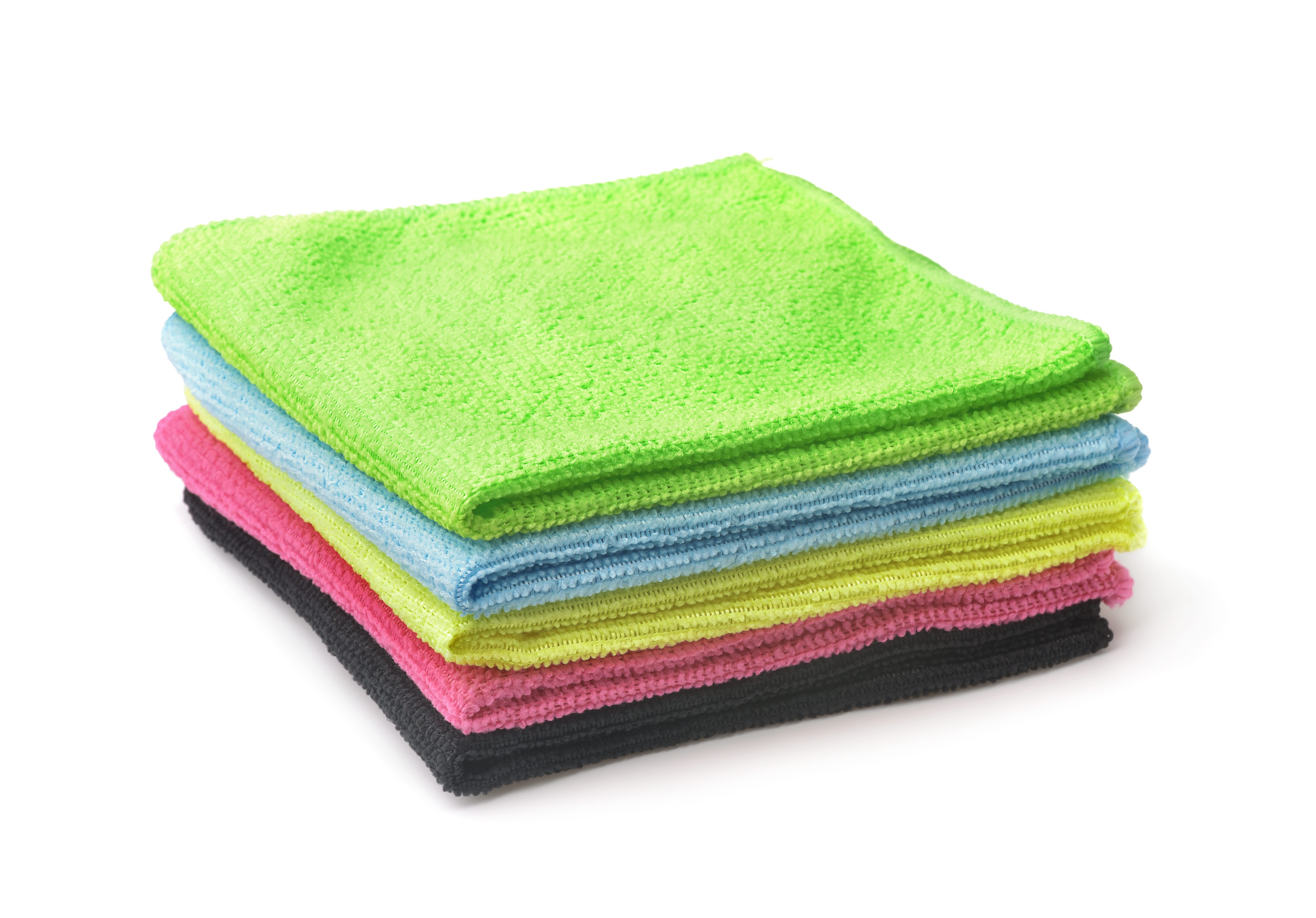
If you're proud of how clean your home is, you probably know that old, worn-out cotton towels and sponges can make things worse instead of better. Instead, many people are using microfiber towels to clean their homes, and it's easy to see why. Because of their unique design, microfiber towels are made to clean almost any surface without leaving behind a film or scratching it. This makes them perfect for cleaning windows, kitchen counters, and floors. Let's talk about why microfiber towels are so popular with homeowners and the many ways they can help.

Microfiber Towels are Absorbent

One of the best things about microfiber towels is that they soak up a lot of water. Unlike traditional sponges and cotton cloths, microfiber towels are made of polyester and nylon and can hold up to seven times their weight in water, making them perfect for cleaning up spills, stains, and other tough messes. Because they are so absorbent, they can also clean without leaving streaks or watermarks. So if you want to achieve a spotless finish every time you clean, microfiber towels are the way to go.

Microfiber Towels are Reusable

If you're tired of buying new sponges and cleaning cloths every time, you'll be happy to know that microfiber towels can be used more than once. A single microfiber towel can last for years if properly cared for, which not only saves you money in the long run but also helps to reduce waste. To further reduce waste, microfiber towels can be washed and reused in the washing machine.

Microfiber Towels are Gentle on Surfaces

Microfiber towels are gentler on surfaces than other types of cleaning cloths. Because of how they are made, they don't leave scratches or streaks, even on surfaces like windows and mirrors that are easy to damage. This makes them a popular choice for homeowners who want a clean finish without damaging their surfaces.

Microfiber Towels are Versatile

Another benefit of microfiber towels is that they can be used for many things. They can be used to clean almost any surface, from sinks and countertops to floors and furniture. Many people even use microfiber towels to clean their cars or bikes. Because they can be used for so many different cleaning jobs, you can save money by doing more with them. This makes them a great investment for any homeowner.

Microfiber Towels are Hygienic

Finally, it's worth noting that microfiber towels are incredibly hygienic. Because they're so absorbent, they trap bacteria and other germs, which means they don't spread them around as you clean. Also, microfiber towels hold a positive charge, which attracts the negative charge of dust and even mold spores. They can also be washed at high temperatures, which kills any bacteria that might be on the surface, but without detergent. The best way to launder a microfiber towel is to wash it in hot water with one cup of white vinegar and then rinse it in cold water. Allow them to air dry instead of using the dryer. This makes them a great choice for anyone who wants a clean, germ-free home.

In conclusion, using microfiber towels to clean your home has many benefits. They're absorbent, reusable, gentle on surfaces, versatile, and hygienic—what more could you want from a cleaning cloth? If you're looking for an effective and sustainable way to keep your home clean, we highly recommend investing in microfiber towels. With the right care, they'll last for years and help you achieve a spotless finish every time you clean!

Discover the Power of Microfiber Towels and Pure Maintenance of Texas - Contact Us Now to Learn More!