Mold’s Sneaky Effects on Health

Mold’s Sneaky Effects on Health


Mold is a seemingly innocuous presence that often lurks unnoticed, silently affecting the air we breathe and the spaces we inhabit. While often perceived as an aesthetic nuisance, mold carries far-reaching health implications that can impact us in ways we may not fully comprehend. Delving into the heart of this uninvited interloper, we unveil the intricate relationship between mold and our health, shedding light on its biological underpinnings, potential health repercussions, and ways to safeguard ourselves.


The Biology of Mold

Fungal Origins and Reproduction

Mold, a fungus, emerges from microscopic spores adept at riding air currents. Once they find a hospitable environment, these spores germinate into hyphae, branching filaments forming visible mold colonies. This prolific reproduction ensures that mold can establish itself swiftly and expansively.


Environmental Conditions for Proliferation

Mold’s colonization thrives in environments with abundant moisture and organic matter to feast upon. Dark corners, damp bathrooms, and neglected crawl spaces and attics become breeding grounds for these unwelcome guests. Warm temperatures and high humidity further facilitate mold growth, creating an environment ripe for infestation.


The Diverse Species of Indoor Mold

The spectrum of indoor mold species is diverse, from the well-known black mold (Stachybotrys chartarum) to the less familiar Penicillium and Aspergillus. Each mold variant possesses unique characteristics, spore sizes, and allergenic potential. Understanding this diversity is essential for effective mold management.


Mold-Health Nexus: Unveiling the Connection


Inhalation: Respiratory Woes and Allergic Reactions

As mold spores become airborne, they are easily inhaled, initiating respiratory problems. For those sensitive or allergic to mold, exposure can trigger symptoms akin to seasonal allergies—sneezing, coughing, and itchy eyes. Prolonged exposure may exacerbate asthma symptoms or even lead to the development of asthma in susceptible individuals.


Mycotoxins: Stealthy Biochemical Warfare

Beyond mere allergens, mold produces mycotoxins—microbial toxins that can cause a range of adverse health effects. These toxins can infiltrate our bodies through inhalation, ingestion, or skin contact. Once inside, they may target vital organs and systems, leading to neurological, immunological, and even carcinogenic consequences.


Immune System Impact: Beyond Surface Reactions

Mold doesn’t solely affect the surface. Mycotoxins and mold fragments can incite complex immune responses, leading to chronic inflammation. The immune system’s relentless battle against these intruders can result in fatigue, headaches, and muscle pain, often overshadowing the direct symptoms of mold exposure.


Vulnerable Populations: Dissecting Differential Responses


Children and Their Developing Defenses

Children’s developing immune systems render them particularly susceptible to mold’s impact. Respiratory issues, cognitive deficits, and developmental delays can manifest in response to mold exposure during critical growth phases.


Elderly Individuals: Immune Senescence and Risks

Aging comes with a natural decline in immune function. Mold-induced health problems can disproportionately affect the elderly, leading to increased vulnerability to infections, exacerbation of pre-existing conditions, and delayed recovery.


Immunocompromised Individuals: A Delicate Balancing Act

Individuals with compromised immune systems, such as those with HIV/AIDS or undergoing immunosuppressive therapy, face a precarious situation. Mold can exploit their weakened defenses, potentially causing severe and life-threatening complications.


Detecting and Preventing Mold Infestation

Signs and Symptoms of Mold Presence

Identifying mold in its early stages is crucial for effective mitigation. Be vigilant for telltale signs such as musty odors, discolored patches on walls or ceilings, and persistent moisture issues. Regular inspections can help catch mold before it becomes a full-blown problem.


Ventilation and Humidity Control: The Key Players

Adequate ventilation and humidity control are potent allies in the battle against mold. Ensuring proper airflow and using dehumidifiers in damp areas can create an inhospitable environment for mold growth. Kitchens, bathrooms, and basements are common hotspots that benefit from improved air circulation.


Remediation and Eradication: Calling the Experts

When faced with a significant mold infestation, seeking professional help is often the wisest action. Mold remediation specialists possess the expertise, tools, and protective gear to remove mold and restore affected areas safely. Attempting large-scale removal without proper training can exacerbate the issue and pose health risks.


Healthy Habits for Mold-Free Living


The Role of Proper Hygiene and Cleaning

Regular cleaning and maintenance play a pivotal role in mold prevention. Wipe down moisture-prone surfaces, vacuum with HEPA filters, and promptly address leaks or water damage. Consistent hygiene practices help disrupt mold’s life cycle and limit its opportunities to flourish.


Indoor Plants: A Two-Edged Greenery

While indoor plants can enhance aesthetics and air quality, they can also inadvertently contribute to mold growth. Overwatering plant soil and improper drainage create damp conditions that mold relishes. Choose low-moisture plants and maintain balanced watering habits to reap the benefits without the mold-related drawbacks.


A Holistic Approach: Nutrition and Immunity Boosting

Strengthening the body’s immune defenses through nutrition can fortify its ability to combat mold-related health challenges. Incorporate foods rich in antioxidants, vitamins, and minerals to bolster resilience. Probiotics, in particular, aid in maintaining a balanced gut microbiome, which plays a vital role in overall immune function.


Conclusion


Navigating a Mold-Aware Lifestyle

With knowledge, vigilance, and a proactive mindset, individuals can navigate their lives with a heightened awareness of mold’s potential impact. Regular maintenance, proper ventilation, and early detection protect against mold encroachment.


Empowering Health through Vigilance

As we inhabit spaces where mold is an ever-present companion, our health’s safeguarding rests on our vigilance. By embracing preventive measures, understanding the nuances of mold’s biology, and recognizing its influence on vulnerable populations, we empower ourselves to maintain a healthy and mold-free environment.

In essence, the seemingly inconspicuous world of mold unfolds as a multidimensional player in the grand theater of health. Its effects extend beyond superficial aesthetics, delving into the intricate interplay between biology, immune response, and environmental conditions. Armed with insights and strategies, we can stride confidently into a mold-aware existence, preserving the sanctity of our health and well-being.

For more information on how to prevent and remove mold, contact Pure Maintenance of Texas today. 


How to Repair Water-Damaged Drywall

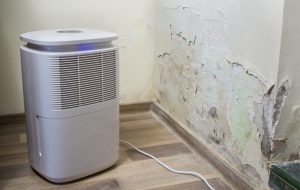
Sugar Land Mold Remediation - water damaged drywallWater damage is a common problem for homeowners, and when it affects drywall, quick action is required. Whether it comes from a leaky pipe, a roof leak, or flooding, water damage can weaken the structure of drywall and make it a good place for mold and mildew to grow. In this article, we’ll discuss how to thoroughly and successfully repair drywall that has water damage.

Assessing the Damage

Finding out how serious the issue is is the first step in fixing water-damaged drywall. Look for things like stains, sagging, or a soft, spongy feel. These signs can help you figure out what needs to be fixed right away. Use a moisture meter to find out how much water is in the drywall. This will help you figure out how bad the damage is.

Preparation

It’s important to have everything you’ll need on hand before beginning the repair process. You’ll need a utility knife, a drywall saw, a putty knife, sandpaper, joint compound, drywall patches, screws, a drill, and a paintbrush. Also, make sure you have the right safety gear, like gloves, goggles, and a dust mask, to keep yourself safe.

Removing Damaged Drywall Sections

To fix water-damaged drywall, you have to take out the damaged areas. Cut out the damaged pieces along the edges of the studs with a utility knife or drywall saw. Be careful not to damage any nearby drywall that is still in good shape. Once the damaged pieces are removed, dispose of them properly.

Drying

After taking out the damaged drywall, it’s important to dry the area well to stop mold from growing. Use fans and dehumidifiers to move the air around and speed up the drying process.

Repairing the Drywall

With the damaged sections removed and the area dry, it’s time to repair the drywall. Measure the size of the openings and cut corresponding drywall patches to fit snugly into the gaps. Secure the patches in place using screws or drywall adhesive, ensuring they are flush with the surrounding drywall. Once the patches are in place, apply joint compound over the seams, feathering it out to create a smooth transition between the old and new drywall.

Finishing Touches

To achieve a seamless repair, sand the patched areas using sandpaper to smooth out any unevenness. Wipe away the dust with a damp cloth and apply a primer to the repaired sections before painting. Once the primer is dry, apply a coat of paint that matches the surrounding wall color to further blend the repaired area with the rest of the wall. Let the paint dry completely before you judge how it turned out.

Conclusion

Repairing drywall that has been damaged by water is a job that needs attention to detail and good execution. By following the steps in this article, you can effectively fix your walls and make them look nice again. However, it’s important to note that in some cases, water damage may be extensive or accompanied by structural issues. When this happens, it’s best to get help from a professional to make sure the damage is completely fixed.

Remember, prevention is always better than cure. Fix any leaks or plumbing problems in your home right away to prevent water damage to your drywall in the future. Check your roof and gutters regularly for signs of damage or clogs. Maintaining a dry environment and taking care of water problems quickly will help keep your drywall in good shape and prevent damage.

Discover effective ways to keep your home or office moisture-free and get rid of mold with Pure Maintenance of Texas. Contact us today!


Microfiber Towels to the Rescue!

Microfiber Towels to the Rescue!

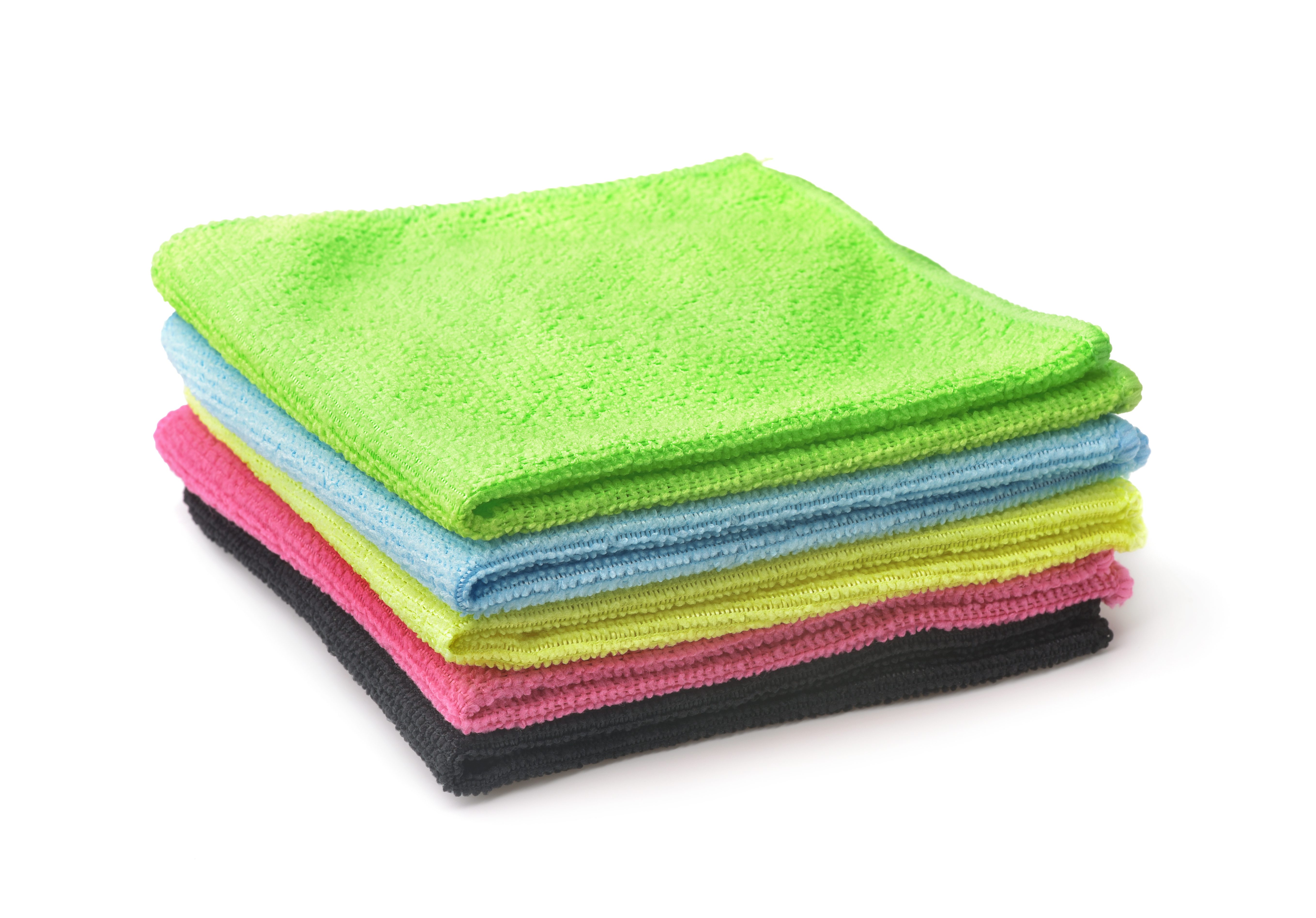
If you’re proud of how clean your home is, you probably know that old, worn-out cotton towels and sponges can make things worse instead of better. Instead, many people are using microfiber towels to clean their homes, and it’s easy to see why. Because of their unique design, microfiber towels are made to clean almost any surface without leaving behind a film or scratching it. This makes them perfect for cleaning windows, kitchen counters, and floors. Let’s talk about why microfiber towels are so popular with homeowners and the many ways they can help.

Microfiber Towels are Absorbent

One of the best things about microfiber towels is that they soak up a lot of water. Unlike traditional sponges and cotton cloths, microfiber towels are made of polyester and nylon and can hold up to seven times their weight in water, making them perfect for cleaning up spills, stains, and other tough messes. Because they are so absorbent, they can also clean without leaving streaks or watermarks. So if you want to achieve a spotless finish every time you clean, microfiber towels are the way to go.

Microfiber Towels are Reusable

If you’re tired of buying new sponges and cleaning cloths every time, you’ll be happy to know that microfiber towels can be used more than once. A single microfiber towel can last for years if properly cared for, which not only saves you money in the long run but also helps to reduce waste. To further reduce waste, microfiber towels can be washed and reused in the washing machine.

Microfiber Towels are Gentle on Surfaces

Microfiber towels are gentler on surfaces than other types of cleaning cloths. Because of how they are made, they don’t leave scratches or streaks, even on surfaces like windows and mirrors that are easy to damage. This makes them a popular choice for homeowners who want a clean finish without damaging their surfaces.

Microfiber Towels are Versatile

Another benefit of microfiber towels is that they can be used for many things. They can be used to clean almost any surface, from sinks and countertops to floors and furniture. Many people even use microfiber towels to clean their cars or bikes. Because they can be used for so many different cleaning jobs, you can save money by doing more with them. This makes them a great investment for any homeowner.

Microfiber Towels are Hygienic

Finally, it’s worth noting that microfiber towels are incredibly hygienic. Because they’re so absorbent, they trap bacteria and other germs, which means they don’t spread them around as you clean. Also, microfiber towels hold a positive charge, which attracts the negative charge of dust and even mold spores. They can also be washed at high temperatures, which kills any bacteria that might be on the surface, but without detergent. The best way to launder a microfiber towel is to wash it in hot water with one cup of white vinegar and then rinse it in cold water. Allow them to air dry instead of using the dryer. This makes them a great choice for anyone who wants a clean, germ-free home.

In conclusion, using microfiber towels to clean your home has many benefits. They’re absorbent, reusable, gentle on surfaces, versatile, and hygienic—what more could you want from a cleaning cloth? If you’re looking for an effective and sustainable way to keep your home clean, we highly recommend investing in microfiber towels. With the right care, they’ll last for years and help you achieve a spotless finish every time you clean!

Discover the Power of Microfiber Towels and Pure Maintenance of TexasContact Us Now to Learn More!


Can Eggs Mold?

Sugar Land Mold Remediation. Mold growing on shells of eggs stored improperly in damp fridge.Eggs are certainly a favorite food in many households, including ours at Pure Maintenance of Texas. Families use them in baking, cooking, and eating them as a protein source. However, have you ever wondered – can eggs mold? It’s a valid question, as mold can be dangerous to consume, and it’s essential to know whether eggs can develop mold. This article will discuss eggs and mold to help you determine if your eggs are safe to eat.

Understanding Mold

Before we talk about whether mold can grow on eggs, it’s important to know what mold is. Mold is a type of fungus that grows in warm, moist environments. It is a natural part of the environment, and it plays an important role in breaking down dead organic matter. However, mold can also be dangerous to human health, especially when consumed.

Mold develops when spores land on a surface and find the right conditions to grow. These conditions include warmth, moisture, and a source of organic matter. Once mold begins to grow, it can spread quickly, producing more spores that can be harmful to health.

The most common types of mold that grow on food include Aspergillus, Penicillium, and Cladosporium.

Can Eggs Mold?

Now that we have a better understanding of what mold is let’s answer whether eggs can mold. The answer is yes, eggs can mold, but it’s not a common occurrence.

There are several factors that can cause eggs to mold, including exposure to moisture and warm temperatures. Eggs that are cracked or damaged are more susceptible to mold growth, as are eggs that are not stored properly.

Signs that your eggs have mold include a musty smell, discoloration, and a slimy texture. If you notice any of these signs, it’s important to discard the eggs immediately.

To prevent eggs from molding, it’s crucial to store them properly. Eggs should be to prevent moisture from entering the eggs.

The Danger of Moldy Eggs

Consuming moldy eggs can be dangerous to your health and potentially cause food poisoning, making you feel sick, throw up, have diarrhea, and have stomach cramps.

If you suspect that you have eaten moldy eggs, it’s important to seek medical attention immediately. Your doctor may recommend treatments such as antibiotics or rehydration therapy to help manage your symptoms.

In conclusion, eggs can mold, but it’s not a common occurrence. To prevent mold, it’s crucial to store eggs properly and discard any that show signs of mold. Moldy eggs can be dangerous to your health, so if you think you’ve eaten some, you should see a doctor right away. By following these rules, you can be sure that your eggs are safe to eat and lower your risk of any health issues. When it comes to food safety, it’s important to stay aware and take the right steps to keep yourself and your family safe.

Overall, it’s important to know the basics of how mold grows and how to stop it from growing on food like eggs. By taking the necessary precautions, you can minimize your risk of consuming moldy eggs and protect your health. Always remember to follow food safety guidelines, and when in doubt, it’s better to be safe than sorry and discard any questionable food items.

To protect your eggs from mold and keep mold away for good, reach out to Pure Maintenance of Texas now! Take the necessary steps towards a cleaner and fresher environment.


Peracetic Acid and Mold Remediation

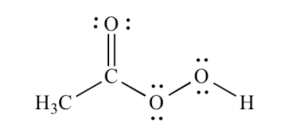
Peracetic acid structure - Sugar Land Mold RemediationPeracetic Acid and Mold Remediation

Peracetic acid is also a powerful tool in mold remediation. Mold can quickly spread throughout a building if there is a water leak or high humidity. Allergies, respiratory issues, and even neurological problems have all been linked to mold exposure.

Traditional ways to get rid of mold include removing it by demolition, tearing out contaminated materials, and rebuilding afterward. If mold is in the HVAC system, oftentimes it is recommended to replace the entire system, costing thousands of dollars.

Pure Maintenance uses a proprietary solution called InstaPURE, which contains 5% peracetic acid, as part of their mold remediation process. InstaPURE is an effective, safe, and environmentally friendly way to get rid of mold spores and keep them from coming back.

The process starts by creating a dry fog that fills the entire space and reaches every surface, including hidden areas that are often missed during traditional remediation methods. The dry fog contains tiny particles of InstaPURE that penetrate every crevice and surface, eliminating mold spores on contact.

Once the fog has settled, the space is left to air out for a short period, and then a second fog is applied to the space to ensure complete coverage. This process is repeated until all mold spores are eliminated without harming the environment or putting people’s health at risk.

What is Peracetic Acid

The food industry frequently uses peracetic acid, also known as peroxyacetic acid, a potent oxidizer, to clean and disinfect. It is also used as a disinfectant and sterilant in the healthcare and wastewater treatment industries.

Peracetic acid’s ability to rapidly degrade into harmless byproducts like water and oxygen sets it apart from other disinfectants and makes it a more eco-friendly choice.

Peracetic Acid in Other Industries

In addition to its effectiveness in mold remediation, peracetic acid is also used in other industries, such as the agricultural and brewing industries. This means proper precautions must be taken whenever peracetic acid is used. 

In conclusion, peracetic acid is a strong and versatile oxidizer used in many industries to clean and sterilize things. The fact that Pure Maintenance uses peracetic acid to get rid of mold is a game-changer. It gives a safe and effective solution to a common and potentially dangerous problem. As with any chemical, it’s important to use peracetic acid carefully and follow all safety rules to avoid harming your health.

Ready to learn more about peracetic acid and the state-of-the-art mold remediation process offered by Pure Maintenance of Texas? Contact us today for further information!


How to Keep AC Drain Lines Clear

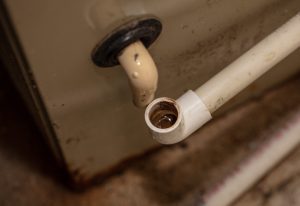
condensation drain has become plugged and must be cleaned - Sugar Land Mold Remediation


You rely on your air conditioning system during the hot summer to keep your home comfortable. However, a clogged AC drain line can lead to various problems, including water damage, mold growth, and reduced AC performance. Fortunately, there are several steps you can take to keep your AC drain lines clear and functioning properly.

What is an AC drain line?

Let’s quickly go over what it is and what it does before talking about how to keep your AC drain line clear. The AC drain line is a small pipe that runs from your air conditioner’s evaporator coil to the outside of your home. Its purpose is to remove condensation that forms on the coil during the cooling process. Without a functioning drain line, this moisture would build up and eventually cause water damage or other problems.

Why do AC drain lines get clogged?

AC drain lines can become clogged for a variety of reasons, including:

  • Dirt and debris buildup: Over time, dirt, dust, and other debris can accumulate in the drain line, causing clogs.
  • Algae and mold growth: The dark, damp environment inside the drain line can be a breeding ground for algae and mold, which can quickly clog the line.
  • Poor installation: If the drain line is not installed properly, it may be more prone to clogging.
  • How to Keep Your AC Drain Line Clear

Now that we know why AC drain lines get clogged, let’s discuss some steps you can take to prevent clogs and keep your drain line clear.

Change Your Air Filter Regularly

One of the simplest and most effective ways to prevent AC drain line clogs is to change your air filter regularly. A dirty air filter can reduce airflow and increase moisture buildup, contributing to drain line clogs. Aim to change your air filter every 1–3 months, depending on your usage and type of filter.

Clean the AC Drain Lines

Cleaning the AC drain line is another important step in preventing clogs. To do this, locate the drain line outside your home (it will be a PVC pipe near your outdoor unit) and gently flush it out with water. You can use a garden hose or a special attachment designed for this purpose. Be careful not to use too much pressure, which could damage the line. If you notice any visible clogs, you may need to use a pipe cleaner or call in a professional to clear the line.

Use Algaecide Tablets

As we mentioned earlier, algae and mold growth can quickly clog an AC drain line. To prevent this, you can use algaecide tablets, which are small tablets that dissolve slowly and release chemicals that prevent algae and mold growth. Simply drop one or two tablets into the drain pan monthly during the cooling season.

FAQs

Q: How do I know if my AC drain line is clogged?

A: Some signs of a clogged AC drain line include water leaking from your indoor unit, musty odors, and reduced AC performance. If you see any of these signs, you should check your drain line and clean it if necessary.

Q: Can I use vinegar or bleach to clean my AC drain line?

A: While vinegar or bleach can effectively kill mold and algae, they can also harm your AC drain line if used improperly. Vinegar and bleach are both acidic and using too much of either substance or leaving it in the drain line for too long can damage the PVC material of the line for use in AC drain lines. Instead, we suggest using an algaecide product that is made to be used in air conditioner drain lines.

Q: Do I need a professional to clean my AC drain line?

A: In most cases, you can clean your AC drain line yourself using the steps we outlined above. However, if you’re uncomfortable doing so or notice any major clogs or other issues, it’s best to call a professional HVAC technician to inspect and repair your system.

Q: How often should I clean my AC drain line?

A: We recommend cleaning your AC drain line at least once per year, ideally before the start of the cooling season. However, if you live in a particularly humid or dusty area, you may need to clean it more often.

Q: Can a clogged AC drain line cause other problems besides water damage?

A: Yes, a clogged AC drain line can lead to reduced AC performance, as well as increased energy bills and mold growth. It can also create an environment for insects and other pests to thrive.

In conclusion, keeping your AC drain line clear is important to maintaining your air conditioning system and preventing water damage and other issues. By following these simple steps and being mindful of signs of a clogged drain line, you can keep your home cool and comfortable all summer long.

Prevent water damage and mold in your home with a clear AC drain line! Reach out to Pure Maintenance of Texas for the expertise you need.