
How to Remove Mold with a Fogger: A DIY Guide

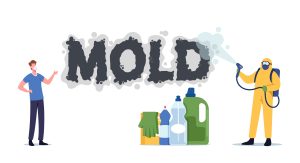
Professional Disinfector Character in Overalls Processing Damaged Walls with Sprayer from Mold. Removal of Black Fungus

Mold is a common problem that can be challenging to remove, especially in hard-to-reach areas. However, a mold removal fogger is one effective DIY method. This article will discuss everything you need to know about mold removal foggers, including how to use them, their benefits, types, and how to choose the right one for your DIY mold removal project.


What is a Mold Removal Fogger?

A mold removal fogger is a device that creates a fine mist of mold-killing solution. The fogger creates a cloud of mist that can reach every corner of the room, including areas that are difficult to reach with traditional cleaning methods.


How to Use a Mold Removal Fogger

Here are the steps to use a mold removal fogger for DIY mold removal:

Step 1: Prepare the room

  • Remove all furniture and belongings from the room.
  • Cover any electrical outlets, vents, and doorways with plastic sheeting.
  • Turn off the HVAC system to prevent the spreading of mold spores.

Step 2: Prepare the fogger

  • Fill the fogger with the recommended amount of solution.
  • Put on protective gear, such as gloves and a mask.

Step 3: Use the fogger

  • Turn on the fogger and point it toward the area you want to treat.
  • Move the fogger around the room to ensure every area is treated.
  • Leave the fogger running for the recommended amount of time.

Step 4: Clean up

  • Allow the mist to settle for a few hours before entering the room.
  • Remove the plastic sheeting and clean the fogger thoroughly to prevent clogging.


Benefits of Using a Mold Removal Fogger for DIY Mold Removal


Wood letters of DIY and definition on wood background


Using a fogger for DIY mold removal has several benefits, including:

  • Eliminates mold spores: A mold removal fogger can kill them, preventing them from spreading and causing further damage.
  • Reaches every corner: The fogger creates a cloud of mist that can reach every room corner, including areas that are difficult to get with traditional cleaning methods.
  • Fast and efficient: Using a fogger is quick and efficient, allowing you to treat a room in minutes.
  • Prevents future growth: The solution used in the fogger can prevent future mold growth, keeping your home mold-free for longer.


Types of Mold Removal Foggers for DIYers

There are several types of foggers for mold removal available for DIYers, including:

  • ULV foggers: ULV foggers create a fine mist of droplets less than 20 microns in size, making them ideal for treating large areas.
  • Thermal foggers: Thermal foggers use heat to vaporize a solution, creating a fog that can penetrate porous materials.
  • Cold foggers: Cold foggers use a high-pressure system to force a solution through a nozzle, creating a fine mist that can reach every room corner.


How to Choose the Right Fogger for DIY Mold Removal

When choosing a mold removal fogger for DIY, consider the following factors:

  • Size of the room: Choose an appropriate fogger for the space you need to treat.
  • Type of fogger: Consider the type that best suits your needs and budget.
  • The solution used: Choose a solution approved for mold removal and safe for your home and family.


Tips for DIY Mold Removal with a Mold Removal Fogger

Here are some tips to help you effectively remove mold with a fogger:

  • Wear protective gear, such as gloves, goggles, and a mask, when using the fogger.
  • Follow the manufacturer's instructions carefully to ensure safety and effectiveness.
  • Use a solution approved for mold removal and safe for your home and family.
  • Allow the mist to settle for a few hours before entering the room.
  • Clean the fogger thoroughly after each use to prevent clogging.


Frequently Asked Questions (FAQs) about DIY Mold Removal with a Fogger


Q: Is it safe to use a mold removal fogger for DIY mold removal?

A: It is safe to use a fogger for DIY mold removal if you follow the manufacturer's instructions carefully and use a solution approved for mold removal.

Q: How often should I use a mold removal fogger for DIY mold removal?

A: The frequency of use depends on the severity of the problem. If you have a severe mold problem, you may need to use the fogger multiple times. Otherwise, you can use it as a preventative measure once every few months.

Q: Can I use a mold removal fogger for DIY mold removal on my own?

A: Yes, you can use a fogger for DIY mold removal, but following the manufacturer's instructions carefully and wearing protective gear is essential.

Q: Do I need to vacate the room after using a mold removal fogger for DIY mold removal?

A: It is recommended to vacate the room for a few hours after using a fogger for DIY mold removal to allow the solution to settle and dry.

Conclusion

A mold removal fogger is an effective DIY method for removing mold and preventing future growth. When choosing a fogger, consider the type, the room size, and the solution used. Also, follow the manufacturer's instructions and wear protective gear when using the fogger.

If you're looking for a professional solution to your mold problem, contact Pure Maintenance of Texas today and learn about their exclusive two-step dry fog remediation process. Utilizing cutting-edge technology, it's the ideal way to eradicate mold without making any changes to your home or business environment!

10 Surprising Places Mold Might Be Hiding in Your Home

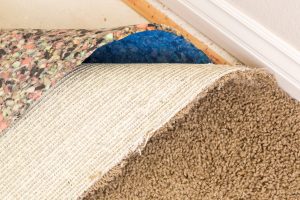
Pulled Back Carpet and Padding In Room of House.Believe it or not, mold can be more than an annoyance in dark attics and bathrooms. Mold might just pop up anywhere – even in the most surprising places!

So to save yourself some trouble next time you do your spring-cleaning routine, here are 10 potential problem spots to watch for unwanted growth.

On or Behind Wallpaper

Wallpaper provides the perfect environment for mold to grow—warm, moist, and usually out of direct sunlight. So if you have any old or peeling wallpaper in your home, it's worth checking for mold growth.

In or Under Carpets

Carpets are another prime spot for mold growth. If your carpets show signs of wear or have been wet, checking for mold is a good idea.

In Air Ducts

Air ducts are often humid and out of reach, making them the perfect place for mold to grow undetected. If you suspect mold in your air ducts, call a professional to have them checked out.

On Ceilings

Has discoloration or staining recently appeared on your ceiling? It could indicate a more significant problem, as porous ceilings - such as drywall - provide the perfect environment for mold growth when exposed to water. Investigate further if you notice any suspicious marks!

Underneath Kitchen Appliances

Kitchen appliances like refrigerators and dishwashers can leak, creating perfect mold conditions. Be sure to check underneath all of your major appliances at least once a year to ensure no hidden mold growth.

In Laundry Rooms

Laundry rooms are often damp and humid, which makes them ideal breeding grounds for mold spores. If you have a laundry room, watch for any signs of mold growth.

In Attics

It's important to remember that attics are an ideal environment for mold – often dark and humid, they provide an excellent opportunity for hidden growth. So check yours periodically to avoid any potential health risks associated with indoor mold infestation.

In Crawl Spaces

Crawl spaces are dark, humid places that are the perfect habitat for mold spores. If you have a crawl space in your home, check it periodically for signs of Mold growth.

On Windowsills 

Windowsills are often damp and out of direct sunlight, making them ideal spots for mold spores to take hold and grow into full-fledged colonies. So if you see any suspicious stains or discoloration on your windowsills, investigate further.

In Houseplants

Houseplants are often kept in humid environments (like bathrooms), which makes them susceptible to mold growth. Therefore, if you have any houseplants in your home, check them periodically for any signs of Mold growth."

Conclusion

Be aware of mold growth - pay close attention to your home's hidden areas, so you can tackle the problem before it can spread. Keeping an eye out for mold signs is critical when maintaining a healthy and safe living environment.

Preventing mold growth is essential to keeping your home healthy. Let the experts at Pure Maintenance of Texas provide you with quality inspection and prevention tips – contact them today!

The Risks of Living or Working with Mold

Mold in the corner of the plastic windowsLiving or working in environments with excessive mold can pose a severe risk to your health. Mold, particularly if allowed to thrive unchecked, has the capacity for long-term health repercussions.
Mold may be small, but it could cause significant problems for your family. Learn how to spot the signs to manage potential issues before they become more serious.

What is Mold?

Mold is more than an unsightly nuisance - it's a dangerous fungus that thrives in damp environments. It propagates by releasing spores into the air, which can cause health risks like asthma and allergies when inhaled or ingested.

Not only does mold thrive on common surfaces such as wood, paper, and fabric, but it may also grow unchecked on unsuspecting food sources!

Health Risks of Living or Working with Mold

Mold can be more than just an eyesore; prolonged exposure may result in various health issues, particularly those with pre-existing allergies or respiratory conditions.

Potential problems from living or working around mold include asthma exacerbation, eye inflammation, allergic rhinitis, and skin irritation.

  • Allergic reactions: Mold spores can cause an array of unpleasant allergic effects, from common symptoms like sneezing and runny nose to more severe reactions like itchy eyes and skin rash.
  • Respiratory problems: Mold contamination can lead to severe respiratory conditions, ranging from troublesome asthma symptoms to potentially life-threatening pneumonia.
  • Infections: For individuals with weakened immune systems, such as those living with HIV/AIDS or cancer, mold exposure may lead to fungal infections that can be highly detrimental. These individuals must take extra precautions and seek treatment quickly in case of any potential contact.
  • Neurological symptoms: Recent research has demonstrated an association between mold exposure and neurological symptoms such as headaches, difficulty recalling information, and feeling faint.
  • Other health problems: The effects of mold exposure are well-documented and can include more than just physical symptoms, such as fatigue, depression, or digestive difficulties.

Consequences of Living or Working with Mold

Mold can be more than an unsightly annoyance—it can pose significant risks to your health and the stability of your home or workspace.

Unfortunately, enduring mold exposure may lead to adverse effects such as weakened immunity, respiratory problems, structural damage, and neurological issues.

Here are some of the potential impacts of prolonged mold exposure:

  • Damage to your home or workplace: Mold can devastate homes - from compromising the structural integrity of walls, floors, and ceilings to ruining valuable furnishings. 
  • Decreased indoor air quality: Mold can have severe consequences for the air quality in your home or workplace, potentially leading to respiratory difficulties and other health problems.
  • Structural damage: In its most invasive form, mold can wreak havoc on buildings' structural integrity, causing costly repairs to bring them back up to standard.
  • Legal issues: If you've experienced mold damage in a rental home or workplace, legal recourse may be available to hold the owner accountable and receive compensation for any damages.

What to Do If You Suspect Mold in Your Home or Workplace

If you suspect that your home or workplace has mold, it's crucial to take action to address the problem. Here are some steps you can take:

  • Identify the source of the problem: Protect your property from the potentially devastating effects of water damage by keeping an eye out for telltale signs, like leaks and moisture buildup, which can trigger mold growth.
  • Clean up the mold: While small areas of mold can often be treated with a few everyday household items, more severe cases may require the expertise of licensed remediation experts. When in doubt, consider consulting professional help to address any potential respiratory issues related to unchecked growths.
  • Fix the source of the problem: It's essential to address the root cause of mold infestations to prevent future issues. Cleaning up is a temporary solution; ensuring that spores don't get another chance to take hold will provide lasting protection.
  • Monitor your health: Being exposed to mold over an extended period can have far-reaching implications on your well-being, so it's important to be mindful of any physical symptoms that may arise related to respiratory or general health concerns.

Mold is a serious problem that can endanger your health - and it's crucial to take action immediately. Identifying the source, cleaning up any mold present, and fixing what caused it in the first place are essential steps for reducing the risk of harm or legal liability.

If you suspect an issue with mold, don't delay: create an action plan immediately, which may include professional help if necessary.

If you think your home or business may be suffering from mold and its adverse effects on health, save your precious time - reach out to Pure Maintenance of Texas today. They can develop a plan specifically tailored to the needs of your property!


The Importance of Grading Your Landscaping

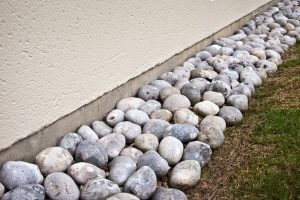
rocks around home exterior for drainageLandscaping is a great way to beautify your home and create a cozy outdoor living space. But did you know that the way you grade your landscaping can have a significant impact on the health of your home?

Grading refers to how the ground slopes around your home, and it's essential to ensure that the grading slopes away from your home to prevent moisture or water intrusion, which can lead to water damage and mold issues.

Why Grading is Important

Even a trickle of water can lead to big problems. For example, if your home is on a grade, rain tends to accumulate against the foundation - seeping into cracks and posing serious property damage risks. Fortunately, grading your landscaping away from your house will expertly redirect moisture away from its base, preventing any issues.

Grading your landscaping isn't just about preventing water damage, either. It can also help to prevent erosion and improve the overall health of your landscaping.

How to Tell if Your Landscaping Needs to be Re-graded

How do you grade your landscaping? The first step is to assess the slope of your landscaping. Next, walk around the perimeter of your home and look for areas where the ground slopes towards your home. These areas need to be re-graded to slope away from your home.

How to Re-grade Your Landscaping

You can re-grade your landscaping by adding soil to the areas that need sloped away from your home. First, use a shovel or rake to spread the soil evenly, then use a level to ensure the ground is tilted away from your home. Next, add more soil in some areas to create the proper slope.

If you're uncomfortable re-grading your landscaping, you can hire a professional landscaper to do it for you. They'll have the tools and expertise to ensure your landscaping is properly sloped away from your home.

Other Steps to Prevent Water Damage and Mold Issues

  • Clean and maintain your gutters to ensure proper water drainage.
  • Seal any cracks in your foundation to prevent water intrusion.
  • Properly waterproof your basement or crawl space.
  • Address any water leaks or plumbing issues as soon as they arise.

In conclusion, grading your landscaping away from your home is essential in preventing water damage and mold issues. You can keep your home healthy and prevent costly repairs by redirecting water away from your foundation. Plus, it can help to improve your landscaping and to avoid erosion.

Take a walk around your home and assess your landscaping. If you notice areas where the ground is sloped towards your home, it's time to re-grade your landscaping.

Investing in your home's landscaping could protect it from water damage, mold issues, and more. To understand how grading will equip you with that protection - contact Pure Maintenance of Texas today!


Don’t Let Mold Contaminate Your Washing Machine

front loading washing machine with mold growing on door gasketFront-loading washing machines have become increasingly popular due to their energy efficiency, water savings, and gentle washing action. However, they develop mold contamination more easily than top-loading machines. Let’s explore the causes of mold in front-loading washing machines, the health risks associated with mold exposure, and ways to prevent mold growth.

Causes of Mold in Front-Loading Washing Machines

Mold can develop in front-loading washing machines due to their design, which creates a damp environment conducive to mold growth. Unlike top-loading machines, front-loading washing machines have a rubber seal around the door that can trap water and detergent residue, creating a moist and warm environment. In addition, the machine’s drum design holds water, which can contribute to mold growth.

Mold can also develop if the washing machine is not maintained correctly. Over time, dirt, soap residue, and fabric softener can build up in the machine, creating a breeding ground for mold. In addition, the combination of moisture and organic material provides an ideal environment for mold spores to grow and multiply.

Health Risks Associated with Mold Exposure

Mold can create more than an eyesore; it can potentially have a lasting health impact. Prolonged mold exposure may trigger allergic reactions, breathing difficulties, and infections. Individuals with allergies or asthma, young children, and the elderly may be more vulnerable to developing health issues.

Preventing Mold Growth in Front-Loading Washing Machines

You can take several steps to prevent mold growth in front-loading washing machines:

  1. Clean the machine regularly: Wipe down the door seal and drum after each use to remove any moisture or residue that may have accumulated.
  2. Use a suitable detergent: Use a high-efficiency (HE) detergent designed for front-loading machines to reduce soap residue buildup.
  3. Leave the door open: After each use, open the door to allow air to circulate and dry out the machine.
  4. Use a washing machine cleaner: Use a machine cleaner designed to remove mold, mildew, and soap residue from the machine.
  5. Consider using bleach: Run an empty cycle with bleach once a month to kill any mold or mildew that may be present.

Other Products on the Market to Help Prevent or Eliminate Mold

Some products can help prevent or eliminate mold in front-loading washing machines. Some of these include:

  1. Washing Machine Deodorizer and Cleaner: These products are designed to remove odor-causing bacteria and mold from the machine's drum and other parts. They can be used periodically to maintain a fresh and clean washing machine.
  2. Washer Fan: A washer fan is a small device that can be installed on the front-loading washing machine to improve air circulation and prevent mold growth. The fan circulates air through the machine to keep it dry and reduce moisture buildup.
  3. Washer Dryer Combo: This is an all-in-one unit that combines a washing machine and a dryer. They are designed to automatically dry the drum after each wash cycle, reducing the risk of mold growth.
  4. DIY Solutions: Several DIY solutions can help prevent mold in front-loading washing machines. For example, add a cup of white vinegar to the washing machine drum and run a hot water cycle to remove mold or mildew. Alternatively, add a tablespoon of baking soda to the detergent compartment to help neutralize odors.

To ensure the best results against mold in front-loading washing machines, it is vital to incorporate regular cleaning and maintenance alongside products specially formulated for this purpose.

In conclusion, while front-loading washing machines are energy-efficient and save water, they are also prone to mold contamination. Proper maintenance and regular cleaning can help prevent mold growth. Keep your family safe and healthy with a front-loading washing machine - following the suggested steps ensures you won't have to worry about mold contamination.

Is your front-loading washing machine leaving you with more than just clean clothes? Mold can lurk in all sorts of places, but Pure Maintenance of Texas is here to help! Ensure your home and family stay safe - contact us now to find out how we can keep mold from taking over.