Why Painting Over Mold is a Big No-No

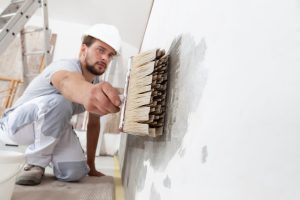
construction worker painter man with protective helmet, brush in hand restores and paint the wall, inside the building site of a house, closeup - Painting over moldMold can be a homeowner's worst nightmare. It's not only unsightly, but it can also pose a serious health risk to you and your family. If you've ever discovered mold in your home, you might be tempted to paint over it and call it a day. However, this is never a good idea. In fact, it can make the problem much worse. In this article, we'll explain why painting over mold is ineffective and what you should do instead.

Why Does Mold Grow?

Before diving into why painting over mold is a big no-no, let's first understand how mold grows. Mold loves damp environments, making any consistently wet or moist area prone to mold growth. Common areas susceptible to mold growth include bathrooms, kitchens, basements, and areas that have experienced water damage. When mold spores land on a damp surface, they can quickly grow and spread, releasing more spores into the air.

Why is Painting Over Mold Ineffective?

Now, let's return to the question: can you paint over mold? The answer is an emphatic no. Painting over mold will not solve the problem, as the mold will continue to grow and spread underneath the paint. This can make the problem even worse, as the mold can release more spores into the air, potentially causing health issues for you and your family.

Moreover, painting over mold can trap moisture in the affected area, creating a perfect environment for the mold to thrive and spread. This can create a dangerous cycle where the mold continues to grow and spread, potentially causing structural damage to your home and posing a health risk to anyone living there.

What Should You Do Instead?

If you have mold in your home, it's essential to address the problem directly. This means hiring a professional to properly remove the mold and treat the affected area with a mold-killing solution. Depending on the extent of the mold growth, this may involve removing affected materials like drywall, carpet, or insulation.

It's also essential to address the underlying cause of mold growth. This can include fixing leaks or drips, improving ventilation in damp areas, and using mold-resistant products in areas prone to moisture.

Can You Clean Up Mold Yourself?

While it might be tempting to clean up mold yourself to save money, it's not recommended. Mold spores can become airborne during the cleaning process, potentially causing health issues for anyone in the area. Additionally, without proper training and equipment, it can be difficult to fully remove the mold and address the underlying causes of the growth.

If you do decide to clean up mold yourself, be sure to wear protective gear like gloves, goggles, and a mask to avoid breathing in the spores. However, in most cases, it's best to leave mold remediation to the professionals.

What About Mold in Rental Properties?

If you're a tenant and you discover mold in your rental property, it's important to notify your landlord as soon as possible. They are responsible for addressing the issue and ensuring that the mold is properly removed. If they fail to take action, you may need to escalate the issue or even consider legal action.

Preventing Mold Growth

The best way to deal with mold is to prevent it from growing in the first place. This means taking steps to control moisture in your home and improve ventilation in damp areas. Some tips for preventing mold growth include:

  • Using a dehumidifier in areas that are prone to moisture
  • Fixing leaks and drips as soon as they occur
  • Cleaning up and drying any areas that become wet as soon as possible
  • Using mold-resistant products ensuring proper ventilation in bathrooms, kitchens, and other areas that generate moisture
  • By taking these steps, you can reduce the likelihood of mold growth in your home and keep your family safe.

FAQs About Painting Over Mold

Q: Can you paint over mold with a mold-resistant paint?

A: No, even mold-resistant paint will not solve the problem. Painting over mold will only temporarily hide the issue and can worsen the problem in the long run.

Q: What are the health risks of mold exposure?

A: Mold exposure can cause a variety of health issues, including allergic reactions, respiratory problems, and other serious health conditions. It's important to address mold growth immediately to prevent these health risks.

Q: How can you tell if you have mold in your home?

A: Some signs of mold growth include musty odors, visible mold growth, and the presence of water damage or dampness. If you suspect you have mold in your home, it's essential to have it inspected and addressed by a professional.

Q: Can you clean up mold with bleach?

A: While bleach can effectively kill some types of mold, it's not always the best solution. Some types of mold require specialized treatment, and bleach can actually make the problem worse in some cases.

Conclusion

Painting over mold is never a good idea. It may seem like a quick fix, but it will only hide the problem temporarily and can make the problem much worse in the long run. If you suspect mold in your home, it's important to address the problem directly by hiring a professional to remove it and treat the affected area with a mold-killing solution. It's also important to address the underlying causes of mold growth to prevent it from returning.

By following the tips in this article and working with a professional when necessary, you can keep your home mold-free and safe for you and your family.

Keep your home safe and secure from the dangers of mold with help from Pure Maintenance of Texas! Learn more about how to proactively prevent and remedy any potential issues now. Contact us today!

What is Black Mold?

What is Black Mold?

Black mold is a type of fungus that can be dangerous to human and animal health. It typically grows in damp, humid areas like bathrooms and basements. In this article, we'll explore what black mold is, how it forms, and what you can do to prevent it, drawing from expert sources.

What exactly is black mold?

Black mold is a term used to describe a group of molds that appear black or dark in color. While some strains of black mold produce toxins that can be harmful, not all black molds are toxic, according to the Centers for Disease Control and Prevention (CDC).

What causes black mold?

Black mold thrives in damp, humid conditions. Poor ventilation, water damage, and high humidity levels can all create the perfect environment for mold growth. Mold can grow on organic materials like wood, paper, and fabric, especially when they are exposed to moisture for extended periods.

According to the Environmental Protection Agency (EPA), the following are some of the most common causes of indoor mold growth:

  • Water leaks or flooding
  • High humidity levels
  • Inadequate ventilation
  • HVAC system problems

What are the symptoms of black mold exposure?

Exposure to black mold can cause a range of health symptoms. These can include respiratory problems, allergies, skin irritation, headaches, dizziness, fatigue, and weakness. In severe cases, exposure to black mold can lead to neurological issues and even death.

What species of mold are commonly referred to as black mold?

While Stachybotrys chartarum is one of the most commonly associated species of mold with a dark or black appearance, according to the American Academy of Allergy, Asthma & Immunology (AAAAI), not all strains of this mold produce toxins, and the health risks associated with exposure to these toxins are not well understood.

How can you prevent black mold?

Preventing mold growth is important for protecting your health and property. The EPA recommends taking the following steps to prevent mold growth:

  • Fixing leaks or water damage promptly
  • Adequately ventilating areas with high humidity
  • Using dehumidifiers to reduce moisture levels
  • Regularly cleaning and maintaining your HVAC system
  • Removing any mold growth immediately

What should you do if you suspect black mold?

If you suspect black mold growth in your home or property, it's important to act quickly. The CDC recommends hiring a professional mold inspector to test for mold and identify the type of mold present. If you discover mold growth, the EPA recommends removing it immediately using appropriate personal protective equipment and following proper cleaning procedures.

In conclusion, black mold can pose serious health risks, so it's important to be vigilant in preventing and dealing with mold growth. By understanding what causes mold growth, how to prevent it, and what to do if you suspect black mold, you can protect your health and property from this dangerous fungus.

Get the knowledge and help you need to address black mold concerns. Pure Maintenance of Texas is here to provide expert advice and remediation services - contact us today!

Do I Need to Replace Wet Drywall?

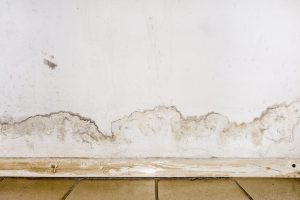
Flooding rainwater or floor heating systems, causing damage, peeling paint and mildew - Do I need to replace wet drywall?

If you recently had a water leak in your home, you may wonder if the wet drywall needs replacing. It’s essential to understand when it’s necessary and when it’s safe to dry out the wall and move on. 

Let's look at some of the considerations you should consider when deciding whether to replace wet drywall.

When is Replacement Necessary?

The initial step is to inspect and evaluate any resulting damage to assess the full impact of a water leak. If it was only minor, you could get away with drying out the drywall and not needing a replacement. 

However, if there are large amounts of water or any visible mold, then replacing wet drywall would be your best option for ensuring that your family remains safe from any potential health risks posed by mildew or mold.

Additionally, suppose your walls have been exposed to excessive moisture for an extended period of time. In that case, they may have lost their structural integrity and must be replaced regardless of any visible mold or mildew.

What To Do Before Replacing Wet Drywall?

If you do decide that it’s necessary to replace wet drywall, you must take some preliminary steps before doing so. 

First, ensure all standing water has been thoroughly removed from inside and outside the wall cavity (if applicable). Then use fans or dehumidifiers to ensure that all moisture has been completely eliminated from the area before beginning work on replacing the damaged pieces of drywall. 

You should also ensure that any insulation between wall cavities has been adequately dried. If left wet for too long, this can become a breeding ground for mold and other harmful bacteria. 

Finally, consider having a professional team inspect your walls for any additional damage — such as water-related damage done to electrical wiring — before replacing wet drywall to avoid any potential hazards down the line.

As we have seen, replacing wet drywall can prevent further damage caused by water leaks and reduce potential health risks associated with mold growth due to prolonged exposure to moisture. 

However, before returning any wall material, ensure that all standing water has been removed and proper drying procedures have been taken to ensure safety. 

Conclusion

Whether you choose to replace wet drywall yourself or hire a professional depends mainly on how extensive the damage is – but either way, this task must be completed correctly to protect your family's health and ensure the maximum longevity of your home's walls!

Is your drywall water-damaged? Get the help you need now! Contact Pure Maintenance of Texas to start restoring and protecting your walls.


Symptoms of Mold Sickness

Sick couple sitting on the couch under a blanket - Symptoms of Mold SicknessMold is a fungus that can grow in damp and humid areas. Some types of mold can produce toxins that cause health problems. In addition, exposure can lead to various symptoms, depending on how sensitive you are to mold and the amount present. We'll talk about the symptoms of mold sickness, including FAQs, so you can better understand the risks associated with mold exposure.


Symptoms of Mold Sickness


Respiratory Problems

If exposed to mold, one of the most common symptoms you might experience is respiratory problems. Breathing in spores can irritate your airways, causing inflammation and leading to coughing, wheezing, and difficulty breathing. This can lead to asthma and bronchitis.

Allergic Reactions

Mold can also cause allergic reactions in some people. For example, you might encounter sneezing, runny nose, itchy eyes, and skin rashes. You might also feel headaches, fatigue, and a general sense of feeling unwell if you're allergic to mold.

Neurological Symptoms

In some cases, mold exposure can cause neurological symptoms. If exposed to mold for long periods, you might experience memory loss, confusion, and difficulty concentrating. You might even experience mood swings and depression.

Digestive Issues

Mold exposure can also lead to digestive issues. As a result, you might experience symptoms such as nausea, vomiting, and diarrhea. These symptoms can be especially severe if you have pre-existing gastrointestinal conditions.

Skin Irritation

Mold can cause skin irritation in some individuals. You might experience symptoms such as rashes, hives, and itchiness. In severe cases, mold exposure can even lead to skin infections.


FAQs


How does mold exposure occur?

You can expose yourself to mold in a variety of ways. For example, you might breathe in mold spores, touch moldy surfaces, or consume contaminated food or water.

What are the long-term effects of mold exposure?

Exposure to mold for an extended period can lead to chronic health problems such as asthma, bronchitis, and other respiratory illnesses. It can also cause neurological symptoms such as memory loss and mood swings. Additionally, long-term exposure can weaken the immune system, making you more susceptible to other infections.

How can I reduce my risk of mold exposure?

Keep your home or workplace dry and well-ventilated to reduce mold exposure risk. If you notice leaks or moisture problems, fix them immediately and clean up any mold as soon as it appears. You can also use an air purifier with a HEPA filter to remove mold spores and wear protective gear.


Expert Sources

The Centers for Disease Control and Prevention (CDC) provides information on the health effects of mold exposure, including symptoms and treatment.

The Environmental Protection Agency (EPA) guides how to prevent and clean up mold in homes and other buildings.

The American College of Occupational and Environmental Medicine (ACOEM) provides information on the health effects of mold exposure in the workplace and how to prevent it.


Conclusion

Mold exposure can cause various symptoms, including respiratory problems, allergic reactions, neurological symptoms, digestive issues, and skin irritation. If exposed to mold, seeking medical attention is essential. To reduce your risk of mold exposure, keep your home or workplace dry and well-ventilated, and clean up any mold as soon as it appears.

By following these steps, you can protect yourself and your loved ones from the potential health risks of mold exposure. Remember, if you suspect you have mold sickness, it's essential to consult with your healthcare provider for appropriate treatment.

At Pure Maintenance of Texas, our team is prepared to help identify and remediate mold issues before they start. If you're concerned about exposure or interested in learning how to prevent a problem from occurring, contact us today!


Water Damage Restoration: How to Prevent Mold Growth

A 3d rendering of an interior water damageWater damage restoration is an important process that homeowners should be familiar with, especially when it comes to preventing mold growth. Water can cause significant problems, and mold growth can harm health and property. Acting fast can make all the difference in safeguarding your home. 

Learn how to tackle restoration and strategies for preventing mold growth before it takes hold.

What is Water Damage Restoration?

Water damage restoration is the process of repairing and cleaning up property that has been damaged by water. This can include anything from a leaky roof to a flooded basement. Restoring a property's pre-damage condition is the ultimate focus of water damage restoration - aiming to accomplish this goal quickly and efficiently. Typically, this involves removing standing water, drying out the affected areas, and repairing or replacing damaged materials.


How Does Water Damage Lead to Mold Growth?

When water damage occurs, moisture is introduced to the affected area. If this moisture isn't properly dried out, it can create the ideal environment for mold growth. Mold spores are present everywhere, but they require moisture to grow.

In fact, mold can start growing within 24–48 hours after a water damage event. This is why it's critical to act quickly to prevent mold growth.


What are the Signs of Mold Growth?

There are a few indications of mold growth in your home. These include:

  • A musty or earthy odor

  • Visible mold growth

  • Water stains on walls or ceilings

  • Allergic symptoms, such as sneezing, coughing, or itchy eyes

If you experience any of these warning signals, taking swift action is important - leaving a potential problem unattended could have serious consequences.


What Should You Do if You Suspect Mold Growth?

If you suspect mold growth in your home, the first step is to have a professional mold inspection. A mold inspector can test for mold and identify the type of mold that is present. This information is crucial for determining the best course of action for mold removal. Unwanted mold can be a serious health hazard, so it's essential to enlist the help of professionals for successful and safe eradication.


How Can You Prevent Mold Growth After Water Damage?

Preventing mold growth after water damage is about quickly drying out the affected areas. Here are some steps you can take to prevent mold growth:

  • Remove any standing water as soon as possible

  • Use fans and dehumidifiers to dry out the affected area

  • Open windows and doors to promote airflow

  • Remove any wet or damaged materials, such as carpet or drywall

  • Disinfect the affected area with a mold-killing solution

  • Monitor the affected area for signs of mold growth


FAQs

Q: Is it safe to remove mold by yourself?

A: While removing mold yourself is possible, hiring a professional mold removal company is generally recommended. This is because mold can harm your health, and improper removal can spread mold spores to other areas of your home.

Q: Is all mold dangerous?

A: No, not all mold is harmful. However, it's impossible to know which type of mold is present without testing. It's best to assume that all mold is harmful and take appropriate precautions.

Q: How long does it take for mold to grow after water damage?

A: Mold can grow within 24–48 hours of a water damage event.


Conclusion

Water damage restoration is crucial in preventing mold growth in your home. By taking immediate action to dry out the affected area and removing any damaged materials, you can prevent mold spores from taking hold and growing.

If you suspect mold growth, hiring a professional mold inspector and removal company is important to ensure the mold is safely and effectively removed. By taking these steps, you can protect your home and your health from the harmful effects of mold.

Protect your home from water damage and mold! Reach out to the experts at Pure Maintenance of Texas for best practices on prevention, mitigation, and restoration.