Is Mold Remediation Covered by Insurance?

If you have mold in your home, you may be wondering if the cost of mold remediation is covered by your insurance policy. The answer to this question depends on a few factors, including the type and extent of the damage and the cause of mold growth.

Let's take a closer look at how insurance companies approach mold remediation.


What Causes Mold Growth?

Mold growth can occur for a variety of reasons, ranging from water damage due to plumbing leaks or flooding to inadequate ventilation in high-humidity rooms.

In order for an insurance carrier to cover any associated costs with mold remediation, they must first determine that the cause of the mold was due to an event or occurrence that is covered under your policy; otherwise, they will deny coverage.

For example, if a pipe burst and caused flooding in your basement that then led to mold growth, this would likely be covered by your standard homeowners' insurance policy.


Types Of Coverage For Mold Remediation

Suppose it is determined that your policy does indeed cover the cost of removing and repairing any damage caused by mold growth. In that case, there are typically two types of coverage available: structural coverage and personal property coverage.

Structural coverage covers any repairs necessary to restore damaged walls, floors, ceilings, etc. In contrast, personal property coverage covers any items that were damaged as a result of the mold (for example, furniture or clothing).

Depending on your policy limits and deductible amounts, you may also be able to file multiple claims over time for ongoing issues related to the same incident or occurrence.


Conclusion

In short, yes - many times, insurance will cover some or all of the costs associated with mold remediation. However, since this can vary based on individual policies and the specific circumstances of each case, it's important to double-check with your insurer before proceeding with any action plan involving removal and repair work.

Nevertheless, taking care of any potential issues with moisture build-up in your home is always recommended; not only can it help avoid costly repairs down the line, but it can also improve air quality inside your home!

Pure Maintenance of Texas can provide you with the expertise to determine if your mold remediation project is covered by insurance. Get in touch today for more information!


Can UV Lamps Kill Mold in Your Home?

UV lamp red line vector icon

Mold is a common issue, especially in high-humidity climates. It can be a nuisance and even cause health issues if left untreated. Homeowners may wonder if using a UV (ultraviolet) lamp to kill mold is effective. Let’s look at UV lamps’ efficacy in eliminating mold in your home.

How Do UV Lamps Work?

UV lamps emit ultraviolet light, which can help eliminate germs, bacteria, viruses, and other contaminants. When used correctly, they can help reduce the number of airborne particles that could cause health problems or worsen existing health conditions. However, there are limitations to using UV lamps for mold control.

Limitations of Using UV Lamps for Mold Control

First, it is essential to note that while UV lamps can help reduce the number of airborne particles, they cannot kill mold on surfaces such as walls or ceilings where it has already taken hold.

This is because ultraviolet light does not penetrate deeper than three millimeters into porous materials like wood and drywall, making it ineffective against mold colonies that have already taken root.

Furthermore, according to the EPA, certain types of mold are resistant to ultraviolet radiation or require more intense levels of exposure than most consumer-grade UVC lamps can provide.

This means that while you may still be able to reduce the airborne particles from existing colonies, you won’t necessarily eliminate them by using a UV lamp alone.

Finally, even with advanced UVC lamps that produce higher intensity levels of ultraviolet radiation, there is always the risk of exposing yourself or your family members to these powerful lights, which could have adverse health effects over time.

Conclusion

Using a UV lamp certainly has benefits when it comes to killing germs and reducing airborne particles. Still, unfortunately, they cannot eliminate colonies from surfaces like walls or ceilings where they have already taken hold.

Also, some types of mold are resistant to ultraviolet light or need more intense exposure than most consumer-grade UVC lamps can give. This means that these types of mold can't be killed with these lamps.

So, using a UV lamp might help reduce the number of mold spores that get into the air from existing colonies, but you shouldn't count on it as the only way to get rid of all types of mold in your home.

If you have a mold problem in your home, it's best to talk to a professional. They can tell you the best way to safely get rid of any existing colonies and prevent new ones from growing.

Breathe easy! Protect yourself and your family from dangerous mold-related illnesses with Pure Maintenance of Texas. Our advanced technology makes sure that harmful pathogens are removed and don't come back, so you can be sure that they won't be a problem in the future.

Contact us today!

Is It Normal for Mold to Grow in Your HVAC System?

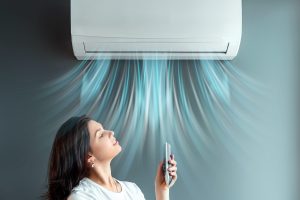
A girl stands under air conditioning and a stream of fresh cold air against a gray wall.


Mold is one of the most common indoor air pollutants found in many places around your home. But did you know that it's also possible for mold to grow in your heating, ventilation, and air conditioning (HVAC) system? 

In this blog post, we'll discuss why mold might be present in your HVAC system and what you can do about it.

Where Does Mold Come From?

Mold spores exist naturally in the air outdoors, but they can find their way indoors too. They're particularly prone to settling on damp surfaces, where they can thrive and reproduce. 

That's why it's essential to keep your home dry by fixing all leaks promptly and using a dehumidifier if necessary. Mold loves warm temperatures and dark spaces—unfortunately, those are two things an HVAC system has in abundance! 

If spores settle on any part of the HVAC system, they may start to grow and reproduce as long as moisture is present. And once established, a single patch can quickly spread throughout the entire system via ductwork or other components. 

The good news is that regular maintenance visits should catch any potential problems before they become serious issues.

Dangers of Mold Growth

When left unchecked, mold growth can cause several problems in your home. 

For starters, it contributes to poor indoor air quality, which can lead to health issues such as allergies or asthma attacks for some people. 

Also, mold growth may reduce your HVAC system's efficiency because it blocks airflow through ducts or other components. 

Finally, if left unchecked for too long, significant damage could be done to parts of your HVAC system that would require costly repairs or replacements.

Conclusion

It's natural for some spores to settle on various components within an HVAC system—but if not addressed promptly and correctly, those few spores could quickly turn into a full-fledged infestation! 

To keep yourself safe from potential health hazards and expensive repair bills down the road, make sure that you schedule regular maintenance visits with a qualified technician who will inspect each component thoroughly for any signs of growth—and take action quickly if any problems are found! 

Don't let mold and other pathogens ruin your air quality! Pure Maintenance of Texas is here to help ensure you can take a deep breath without worry - for years to come. 

Get in touch today, so we can keep your HVAC system clean, healthy, and safe from unwelcome guests like mold.


Do Air Purifiers Prevent Mold Growth?

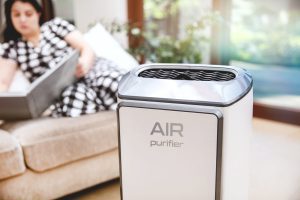
Modern air purifier cleans up the air in the living room with woman reading a book on couch in the background.

Everyone knows the importance of good indoor air quality, but what about preventing mold growth in your home?

There are many ways to help prevent mold from growing in your home, including using an air purifier. But do purifiers work to prevent mold?

Let’s take a closer look at how these devices can help you clean your air.


What is an Air Purifier?

An air purifier is a device that uses a fan or filter to remove particles, contaminants, and pollutants from the air.

These devices use filters to capture airborne particles such as dust, pollen, smoke, pet dander, and other allergens.

By trapping these particles, they can be eliminated from the air before they can settle on surfaces and cause problems such as allergies or breathing difficulties.


Do Air Purifiers Help Prevent Mold Growth?

Yes! Air purifiers can help prevent mold growth in your home.

The primary way these devices work is by trapping airborne spores that are released by existing colonies.

This reduces the number of spores in circulation, which can then be removed from your home through regular vacuuming and cleaning.

Additionally, some models of air purifiers use HEPA filters which can trap larger particles, such as mold spores, before they reach the ground or other surfaces where they could potentially start growing.

It’s important to note that while air purifiers help reduce the number of airborne spores in your home, they should never be relied upon as the sole solution for preventing mold growth.

Regularly cleaning and inspecting areas where moisture may accumulate is still essential.

Additionally, if you already have a problem with existing mold colonies, contact a professional who can correctly identify and treat it so that it doesn’t spread further throughout your house or increase health risks for those who live there. 


Conclusion

Air purifiers are great tools for helping reduce the number of airborne spores in your home, which can help prevent new colonies from forming or spreading further throughout your living space.

While these devices are great additions to any family’s healthy lifestyle routine, they should not be used as a full-proof solution.

Regular cleaning and inspections are still essential for preventing any issues caused by excessive moisture buildup throughout your house.

Nevertheless, an air purifier is a great way to keep airborne spores at bay and ensure cleaner indoor air quality!

Contact Pure Maintenance of Texas today to learn how we can eliminate all mold and other pathogens using our patented dry fog technology.


Can I Remediate Mold Myself?

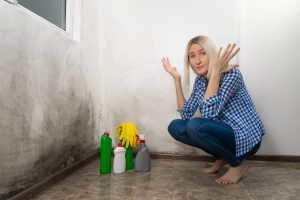
Young shocked blonde woman in blue jeans and a shirt is squatting with cleansers near a wall with black mold and spreading her hands.

Mold can be a serious issue if it is not taken care of properly. If you have mold in your home, you may be wondering if you can take care of it yourself or if you need to hire a professional. The answer is that certain types can be remediated without the help of a professional and others require the assistance of an experienced specialist. According to the EPA, cleanup depends on a number of factors. Let’s take a closer look at when you should try DIY removal and when it is best to call a professional.

DIY Mold Removal

In some cases, removing mold on your own may be possible. For example, small amounts of non-toxic black or grey surface mold can often be cleaned with a mixture of detergent and water. Be sure to wear protective clothing such as gloves and a mask before attempting any type of DIY removal. It is also important to note that this method will only work for surface-level molds; it will not work for deeper, more embedded molds.

When To Call A Professional

In many cases, it is best to leave the job to an experienced professional. This is especially true for large areas affected by mold as well as any type of toxic or black mold. These types of molds are more difficult to remove and can even cause health problems if handled improperly. Additionally, professionals have access to the specialized equipment needed for deep cleaning and remediation, so they can often get the job done faster than someone without experience in this field would be able to do on their own.

Mold can spread quickly throughout your home if not taken care of properly, so it is essential to know when you should attempt DIY removal and when you should contact a professional for help. In general, small amounts of non-toxic surface molds are safe enough for DIY removal while more significant amounts or any type of toxic or black molds should always be left up to an experienced professional with access to specialized equipment and expertise in this area. Ultimately, promptly taking care of your home’s mold problem will save you time and money in the long run! ​

Contact us today to learn more!