Mold Matters Episode 30

Mobile phone on wooden desk with podcast app on the screen.

Episode 30 on Mold Matters with 10 Facts about Mold is uploaded.

You can listen to it on YouTube, Spotify, and Apple Podcast. Like most people, you probably don't think much about mold. But the fact is, mold can be a serious issue. That's why Pure Maintenance of Texas is committed to providing information about mold and its effects. In our latest episode of Mold Matters, we explore 10 facts about this insidious fungus. So whether you're a homeowner or business owner, check out our latest episode for some valuable information about mold.

Thanks for listening!

How To Improve Indoor Air Quality

Indoor air quality is essential for your health and well-being, especially during the times we’re spending indoors due to the pandemic. Poor indoor air quality can lead to a range of illnesses, from irritations like allergies and dry skin all the way up to asthma attacks and much worse. The good news is that there are several things you can do to improve the air in your home, no matter what type of climate or environment you live in.

The first step is to reduce sources of pollution such as dust mites, pet dander, mold spores, and volatile organic compounds (VOCs). Make sure you vacuum regularly using a HEPA filter vacuum cleaner and replace furnace filters every two months. This will help to remove dust and other contaminants from the air. Cleaning surfaces with damp cloths instead of dry cleaning will also help reduce the concentration of airborne particles.

You can also add plants to your home which act as natural air purifiers. Spider plants, English Ivy, and Aloe Vera are especially good at trapping VOCs. Opening windows on days when you know that outdoor air quality is good (look up local pollution levels before doing so) will also allow for a more balanced exchange of indoor and outdoor air.

For those who live in an area where it’s cold or raining often, adding an air purifier to your home can be beneficial. You can find devices designed specifically for larger rooms or those with allergies. Air purifiers can remove airborne bacteria, allergens, dust mites, pollen, and other contaminants from the air.

Staying on top of your indoor air quality is essential for your long-term health and well-being. Taking steps to reduce sources of pollution, adding plants to your home, opening windows when appropriate, or using an air purifier are all easy ways to make sure that the air inside your home stays clean and healthy.

Finally, don't forget about proper ventilation! Utilizing exhaust fans in kitchens and bathrooms is important for reducing moisture build-up which can contribute to mold growth. Installing ceiling fans will help circulate the air in your home and reduce the potential for stagnant air. And when possible, take a few minutes each day to get some fresh air by going outside into nature or opening windows in your home.

All of these measures will help ensure that you have healthier indoor air and better overall health throughout the year. So, don't forget to start incorporating these easy tips into your regular routines today!

Contact us today to learn how we can improve your indoor air quality. Happy breathing! 🙂
PURE-ify Your Indoor Air!

Woman touching touchscreen verifying air purifier filter at GOOD green level banner.

Looking for a simple yet effective way to purify the air in your home? Let's face it, we all want our family members breathing fresher and cleaner air. That’s why Pure Maintenance of Texas is here! Our two-step dry fog technology combined with EPA-approved products will disinfect every nook and cranny - eliminating 99.9% of germs, viruses, AND bacteria so that you can breathe easy knowing your whole house has been protected from harmful airborne contaminants. Reach out today to learn more about how this amazing service can give you peace of mind no matter who resides under your roof!

How Much Does It Cost To Remove Mold?

The cost to remove mold from your home or business can be a time-consuming and costly process. The amount for removal depends on several factors, including the size of the area affected, the type of mold present, and any other associated damage.

If you have a small area that is affected, the cost may be minimal. However, if it has spread throughout your home, it could be more expensive to remove. 

The type of mold present in your home can also affect the cost of removal. In traditional remediation, non-toxic is often much easier and cheaper to remove than toxic molds.

You will also need to consider the cost of repairing any damage. Mold can cause structural damage to your home, such as rotting wood or crumbling drywall, which will need to be repaired before the mold can be completely removed. If it has spread to your furniture, carpeting, and other items, these may also need to be replaced.

Overall, the cost of removal can vary greatly. However, it is important to remember that removing mold as soon as possible is essential to avoid further issues.

Contact Pure Maintenance of Texas today to learn how to avoid costly traditional tear-out remediation and save your personal possessions with our patented dry fog technology. Our experts can provide you with tailored advice and pricing based on the size of the area affected, the type of mold present, and any associated damage.

What Causes Mold To Grow?

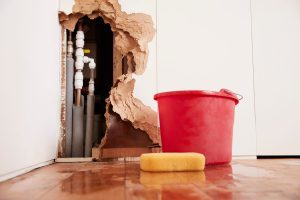
Damaged wall, exposed burst water pipes, sponge and bucket

Individual mold spores are flowing throughout the open air at all times. Indoors, when moisture is allowed to dwell on a porous surface inside a building, these mold spores attach themselves and begin to grow at a rapid pace. Once they have attached, it takes more than household cleaners to break their stronghold. Here are some of the most common causes of mold growth:

  1. Poor Ventilation – Inadequate ventilation in an indoor space can cause moisture to become trapped, leading to an ideal environment for mold growth. Make sure to open windows and doors, install exhaust fans, and use dehumidifiers.
  1. Leaky Pipes and Roofs – Leaking pipes and roofs can introduce moisture into your home, which is the perfect breeding ground for mold. Check regularly for signs of water damage and repair any leaks quickly.
  1. Condensation – Inadequate insulation and drafts can cause condensation on walls and attics. This is particularly common during periods of high humidity and if left unchecked can lead to growth.
  1. Flooding – Floods are the most obvious culprit when it comes to mold. If you have experienced flooding, make sure to dry out any wet materials.
  1. Poor or Inadequate Cleaning – Dust and other organic material left on surfaces can provide nutrients that promote the growth of mold. Regularly clean your home and make sure to clean any wet or damp surfaces quickly.

By understanding what causes mold to grow, you can take steps to prevent it in your home or business.