Who Pays for Mold Removal?

Who pays for mold removal? The short answer is, "It depends." Mold, unfortunately, is a common problem in homes and buildings, and it can cause serious health issues if left untreated. If you see mold on your property, you may be wondering who is responsible for paying for its removal. In this guide, we'll explore the different scenarios where mold removal may be necessary and who is responsible for the costs.

When Is mold removal necessary?

Mold can grow in any area of your property with moisture, such as a bathroom, kitchen, or basement. It can also grow in areas where there has been water damage, such as after a flood or a leak. Some common signs of mold include:

  • A musty odor
  • Visible mold growth
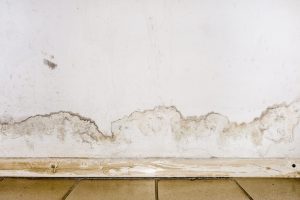
  • Water stains on walls or ceilings
  • Peeling paint or wallpaper
  • Respiratory problems
  • Other unexplained health issues

If you suspect mold on your property, getting it tested and removed as soon as possible is essential to prevent it from spreading and causing further damage.

Who is responsible for mold removal?

The responsibility for paying for mold removal depends on the cause of the mold growth and who is responsible for maintaining the property. Here are some common scenarios:

Landlords and Tenants

If you're a tenant and discover mold in your rental property, you should notify your landlord or property manager immediately. It's their responsibility to ensure that the property is safe and habitable. They should arrange for a mold inspection and, if necessary, mold removal. The cost of mold removal will usually be the responsibility of the landlord.

If you're a landlord, you should stop mold growth by fixing leaks and ensuring your rental properties have enough ventilation. If you fail to do so, and your tenant suffers health issues due to mold growth, you may be liable for the costs of mold removal and any damages resulting from the mold exposure.

Homeowners and Insurance Companies

If you own your home and discover mold, you may be responsible for paying for the mold removal yourself. However, if the mold growth results from a covered event, such as a burst pipe or a roof leak, your homeowner's insurance may cover the mold removal cost.

It's important to review your insurance policy carefully to understand what is covered and what is not. Some policies may have exclusions for mold damage or limit the coverage for mold removal.

Contractors and Builders

If you've recently had construction work done on your property, and you discover mold as a result of the work, you may be able to hold the contractor or builder responsible for the cost of the mold removal. This will depend on the terms of your contract and whether the contractor or builder is responsible for any resulting mold growth.

Frequently Asked Questions

Q: Does insurance cover mold removal?

A: It depends on your insurance policy. Some homeowners' insurance policies will cover mold removal if it results from a covered event, such as a burst pipe. However, many policies have exclusions for mold damage or limit the amount of coverage for mold removal. Reviewing your policy carefully and speaking to your insurance company if you have any questions is important.

Q: How much does mold removal cost?

A: The mold removal cost will depend on the extent of the mold growth and the method used to remove it. According to research, the average cost of mold removal is $2,362, but it can range from $500 to $6,000 or more. At Pure Maintenance of Texas, we're typically 30 - 50% less expensive than traditional mold remediation.

Q: Can I remove the mold myself?

A: It's possible to remove small amounts of mold using household cleaners and bleach. However, if the mold growth is extensive, it's best to hire a professional mold removal company.


Q: How do I choose a professional mold removal company?

A: When choosing a professional mold removal company, it's essential to do your research and choose a reputable company with experience in mold remediation. Look for companies that have been certified by groups like the Institute of Inspection, Cleaning, and Restoration Certification (IICRC) and the National Organization of Remediators and Mold Inspectors (NORMI). You can also check online reviews and ask for references from past customers.

Q: How can I prevent mold growth in my home or property?

A: To prevent mold growth, it's important to control moisture levels in your property. This can be done by fixing leaks, maintaining proper ventilation, and using a dehumidifier in areas with high humidity. It's also essential to clean up any water damage promptly and dry out the affected area within 24–48 hours to prevent mold growth.

In conclusion, who is responsible for the cost of mold remediation will depend on the source of the problem and who normally maintains the property. If you are a tenant and find mold in your rental property, you should notify your landlord or property manager immediately.

If mold growth results from a covered loss, your homeowner's insurance may pay to have it removed. You might be able to recover the cost of mold remediation from the contractor or builder if the work they did on your property was recently completed. To prevent mold growth, it's important to control moisture levels in your property and address any water damage promptly.

If you're looking for experienced mold prevention and removal experts, Pure Maintenance of Texas is the perfect solution. Get in touch with us today to discover more about our cost-effective dry fog mold removal service and how we can help keep your property safe from damaging mold growth!
 

Is Mold On Shoes Dangerous?

Is Mold On Shoes Dangerous?

For most people, mold on your shoes isn't dangerous. It's mostly a nuisance, and often a fixable one. But it is telling you something, and that part's worth paying attention to.

Here's the thing nobody mentions in the usual "how to clean moldy shoes" articles: if mold is growing on your shoes, your shoes probably aren't the problem.

Why Shoes Get Moldy in the First Place

Shoes are close to a perfect setup for mold. They hold moisture from your feet and from the weather, they sit in a closet that's dark and still with almost no airflow, and leather in particular soaks up moisture and holds onto it. Add the organic material in leather and fabric, which mold is happy to feed on, and you've got everything mold needs in one dark corner.

So the shoes get blamed. But shoes have been sitting in closets for as long as there have been closets. What changed is the moisture.

What Your Shoes Are Actually Telling You

Mold on your shoes usually means the air in that closet is holding more moisture than it should. And once you know to look, you'll notice it isn't just the shoes. You'll see it on leather bags and belts, on the shoulders of clothes that haven't been worn in a while, sometimes on furniture in the same room.

That's the tell. When mold shows up on your belongings, it's not an item problem. It's an air problem. The shoes are just the first place you happened to notice it, because leather shows it early and you look at your shoes more often than you look at the back wall of your closet.

Zoom Out: What's Really Going On

The actual cause

Moisture in your air

Humidity your home isn't getting rid of. This is the part worth fixing.

Where it settles

A dark, still closet

No airflow, no light, and nothing to carry the damp away.

What you noticed

Mold on your shoes

The symptom, and usually the first one you spot.

Clean the shoes and you've handled the symptom. Handle the humidity and the whole closet stops being a problem.

Can You Save Moldy Shoes?

Often, yes, if you catch it early and the mold is still sitting on the surface. Take the shoes outside so you're not scattering spores around the house, brush the growth off with a soft brush, then wipe them down with a mix of about one part white vinegar to three parts water, or a mild soap. Let them air dry completely somewhere with good airflow, out of direct sun if they're leather.

Wear gloves and an N95 mask while you do it. It's a small job, but there's no reason to breathe it in.

When shoes can't be saved, it's usually because the mold has worked its way deep into porous material, into the fabric lining, the foam, the inside of the leather. If it's gone that far, or if it keeps returning after you've cleaned them, they're probably not worth rescuing. Toss them, and turn your attention to the closet.

One thing to skip: bleach. It'll damage leather and suede, and it's not the right tool for this anyway.

How to Stop It From Coming Back

Cleaning the shoes without drying out the closet just means you'll be cleaning them again next month. Here's what actually holds:

  • Dry shoes before they go in the closet. Stuffing them with newspaper overnight helps pull the moisture out.
  • Get air moving. Leave the closet door open sometimes. A wire rack beats a solid shelf. Give things a little space instead of packing them tight.
  • Put a dehumidifier in or near the closet if it stays damp. This is the one that does the heavy lifting.
  • Skip the sealed plastic bins. They keep water out, but they also trap it in, which is worse.
  • Clean out the closet itself. If your shoes had mold, check the walls, the baseboards, and the back corners while you're in there.

The target for indoor humidity is under 60 percent, and 30 to 50 percent is better. A cheap humidity gauge in that room will tell you more than any amount of guessing.

Why This Happens So Often Around Houston

If you're on the Gulf Coast, none of this is a personal failing. Our air stays humid for most of the year, which means closets here run damper than closets almost anywhere else in the country. Interior closets with no vent and no window are especially prone to it, and a lot of local homes have exactly that.

It also means moisture control isn't a one-time project here. It's just part of owning a home in this climate. The good news is that it's manageable once you know that's what you're managing.

Your shoes aren't the problem. They're the messenger.

Where We Fit In

If it's one pair of shoes and a slightly stuffy closet, you can handle this yourself. Genuinely. Clean them up, dry the space out, get some air moving, and you're done. We'd rather tell you that than sell you something you don't need.

But if mold keeps showing up on your belongings around the house, or the whole place has a musty smell you can't track down, that's a bigger moisture story and it's worth understanding what's driving it. That's where our patented VaPURE dry fog process comes in. It reaches spaces a cloth and a spray bottle can't, addressing airborne contaminants and odor at the source and helping restore your indoor air to a healthier condition.

Frequently Asked Questions

Is mold on shoes dangerous?

For most people, no. It's mostly a nuisance. Some people react to mold with allergy-type symptoms like congestion, coughing, or itchy eyes, and people with asthma, mold allergies, or weakened immune systems can react more. If you're worried about symptoms, talk with your physician. Here's a closer look at mold and health.

How do I know if my shoes have mold?

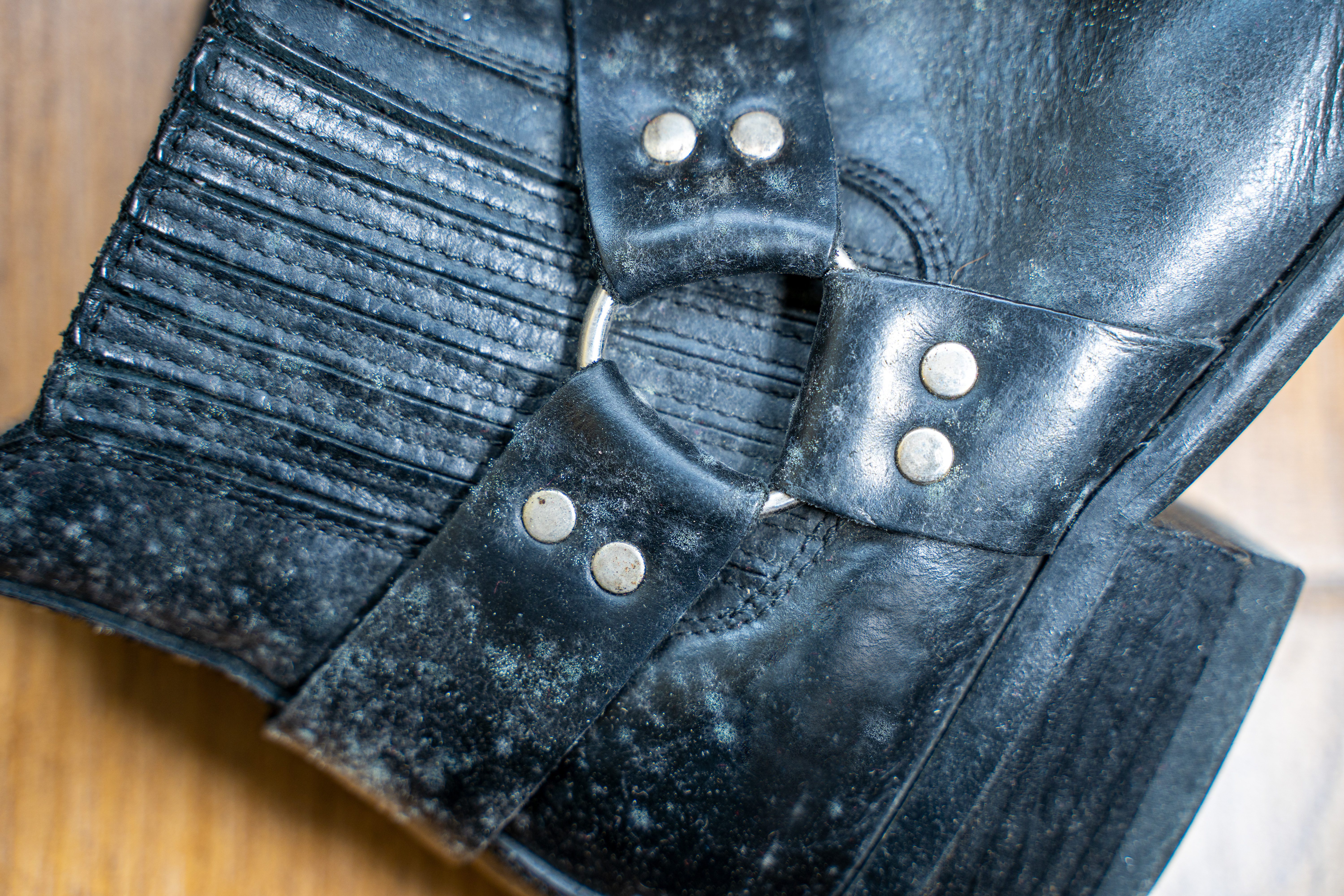
Look for fuzzy or slightly slimy spots, often white, green, or black, and a musty smell. On leather it can look like a light dusty film before it looks like anything dramatic. If they smell musty even after they've dried out, that's usually your answer.

Can I use bleach on moldy shoes?

Better not to. Bleach damages leather and suede, and it isn't the right tool for porous materials anyway. A white vinegar and water solution or a mild soap works better and won't ruin the shoes.

Why do my leather shoes get moldy but my sneakers don't?

Leather absorbs and holds moisture more readily than synthetic materials, and it's organic, so mold can feed on it. That's why leather shoes, bags, belts, and jackets are usually the first things in a closet to show it.

If my shoes have mold, does my closet have mold?

Often, yes, or it's headed that way. Mold on shoes almost always means the closet is holding more moisture than it should. Check the walls, corners, and baseboards, and take a look at your leather goods and stored clothing while you're at it.

Seeing mold on your belongings, or a musty smell you can't track down? We'll help you figure out what's driving it.

Schedule an Evaluation

Why Painting Over Mold is a Big No-No

construction worker painter man with protective helmet, brush in hand restores and paint the wall, inside the building site of a house, closeup - Painting over moldMold can be a homeowner's worst nightmare. It's not only unsightly, but it can also pose a serious health risk to you and your family. If you've ever discovered mold in your home, you might be tempted to paint over it and call it a day. However, this is never a good idea. In fact, it can make the problem much worse. In this article, we'll explain why painting over mold is ineffective and what you should do instead.

Why Does Mold Grow?

Before diving into why painting over mold is a big no-no, let's first understand how mold grows. Mold loves damp environments, making any consistently wet or moist area prone to mold growth. Common areas susceptible to mold growth include bathrooms, kitchens, basements, and areas that have experienced water damage. When mold spores land on a damp surface, they can quickly grow and spread, releasing more spores into the air.

Why is Painting Over Mold Ineffective?

Now, let's return to the question: can you paint over mold? The answer is an emphatic no. Painting over mold will not solve the problem, as the mold will continue to grow and spread underneath the paint. This can make the problem even worse, as the mold can release more spores into the air, potentially causing health issues for you and your family.

Moreover, painting over mold can trap moisture in the affected area, creating a perfect environment for the mold to thrive and spread. This can create a dangerous cycle where the mold continues to grow and spread, potentially causing structural damage to your home and posing a health risk to anyone living there.

What Should You Do Instead?

If you have mold in your home, it's essential to address the problem directly. This means hiring a professional to properly remove the mold and treat the affected area with a mold-killing solution. Depending on the extent of the mold growth, this may involve removing affected materials like drywall, carpet, or insulation.

It's also essential to address the underlying cause of mold growth. This can include fixing leaks or drips, improving ventilation in damp areas, and using mold-resistant products in areas prone to moisture.

Can You Clean Up Mold Yourself?

While it might be tempting to clean up mold yourself to save money, it's not recommended. Mold spores can become airborne during the cleaning process, potentially causing health issues for anyone in the area. Additionally, without proper training and equipment, it can be difficult to fully remove the mold and address the underlying causes of the growth.

If you do decide to clean up mold yourself, be sure to wear protective gear like gloves, goggles, and a mask to avoid breathing in the spores. However, in most cases, it's best to leave mold remediation to the professionals.

What About Mold in Rental Properties?

If you're a tenant and you discover mold in your rental property, it's important to notify your landlord as soon as possible. They are responsible for addressing the issue and ensuring that the mold is properly removed. If they fail to take action, you may need to escalate the issue or even consider legal action.

Preventing Mold Growth

The best way to deal with mold is to prevent it from growing in the first place. This means taking steps to control moisture in your home and improve ventilation in damp areas. Some tips for preventing mold growth include:

  • Using a dehumidifier in areas that are prone to moisture
  • Fixing leaks and drips as soon as they occur
  • Cleaning up and drying any areas that become wet as soon as possible
  • Using mold-resistant products ensuring proper ventilation in bathrooms, kitchens, and other areas that generate moisture
  • By taking these steps, you can reduce the likelihood of mold growth in your home and keep your family safe.

FAQs About Painting Over Mold

Q: Can you paint over mold with a mold-resistant paint?

A: No, even mold-resistant paint will not solve the problem. Painting over mold will only temporarily hide the issue and can worsen the problem in the long run.

Q: What are the health risks of mold exposure?

A: Mold exposure can cause a variety of health issues, including allergic reactions, respiratory problems, and other serious health conditions. It's important to address mold growth immediately to prevent these health risks.

Q: How can you tell if you have mold in your home?

A: Some signs of mold growth include musty odors, visible mold growth, and the presence of water damage or dampness. If you suspect you have mold in your home, it's essential to have it inspected and addressed by a professional.

Q: Can you clean up mold with bleach?

A: While bleach can effectively kill some types of mold, it's not always the best solution. Some types of mold require specialized treatment, and bleach can actually make the problem worse in some cases.

Conclusion

Painting over mold is never a good idea. It may seem like a quick fix, but it will only hide the problem temporarily and can make the problem much worse in the long run. If you suspect mold in your home, it's important to address the problem directly by hiring a professional to remove it and treat the affected area with a mold-killing solution. It's also important to address the underlying causes of mold growth to prevent it from returning.

By following the tips in this article and working with a professional when necessary, you can keep your home mold-free and safe for you and your family.

Keep your home safe and secure from the dangers of mold with help from Pure Maintenance of Texas! Learn more about how to proactively prevent and remedy any potential issues now. Contact us today!

What is Black Mold?

What is Black Mold?

Black mold is a type of fungus that can be dangerous to human and animal health. It typically grows in damp, humid areas like bathrooms and basements. In this article, we'll explore what black mold is, how it forms, and what you can do to prevent it, drawing from expert sources.

What exactly is black mold?

Black mold is a term used to describe a group of molds that appear black or dark in color. While some strains of black mold produce toxins that can be harmful, not all black molds are toxic, according to the Centers for Disease Control and Prevention (CDC).

What causes black mold?

Black mold thrives in damp, humid conditions. Poor ventilation, water damage, and high humidity levels can all create the perfect environment for mold growth. Mold can grow on organic materials like wood, paper, and fabric, especially when they are exposed to moisture for extended periods.

According to the Environmental Protection Agency (EPA), the following are some of the most common causes of indoor mold growth:

  • Water leaks or flooding
  • High humidity levels
  • Inadequate ventilation
  • HVAC system problems

What are the symptoms of black mold exposure?

Exposure to black mold can cause a range of health symptoms. These can include respiratory problems, allergies, skin irritation, headaches, dizziness, fatigue, and weakness. In severe cases, exposure to black mold can lead to neurological issues and even death.

What species of mold are commonly referred to as black mold?

While Stachybotrys chartarum is one of the most commonly associated species of mold with a dark or black appearance, according to the American Academy of Allergy, Asthma & Immunology (AAAAI), not all strains of this mold produce toxins, and the health risks associated with exposure to these toxins are not well understood.

How can you prevent black mold?

Preventing mold growth is important for protecting your health and property. The EPA recommends taking the following steps to prevent mold growth:

  • Fixing leaks or water damage promptly
  • Adequately ventilating areas with high humidity
  • Using dehumidifiers to reduce moisture levels
  • Regularly cleaning and maintaining your HVAC system
  • Removing any mold growth immediately

What should you do if you suspect black mold?

If you suspect black mold growth in your home or property, it's important to act quickly. The CDC recommends hiring a professional mold inspector to test for mold and identify the type of mold present. If you discover mold growth, the EPA recommends removing it immediately using appropriate personal protective equipment and following proper cleaning procedures.

In conclusion, black mold can pose serious health risks, so it's important to be vigilant in preventing and dealing with mold growth. By understanding what causes mold growth, how to prevent it, and what to do if you suspect black mold, you can protect your health and property from this dangerous fungus.

Get the knowledge and help you need to address black mold concerns. Pure Maintenance of Texas is here to provide expert advice and remediation services - contact us today!

Do I Need to Replace Wet Drywall?

Flooding rainwater or floor heating systems, causing damage, peeling paint and mildew - Do I need to replace wet drywall?

If you recently had a water leak in your home, you may wonder if the wet drywall needs replacing. It’s essential to understand when it’s necessary and when it’s safe to dry out the wall and move on. 

Let's look at some of the considerations you should consider when deciding whether to replace wet drywall.

When is Replacement Necessary?

The initial step is to inspect and evaluate any resulting damage to assess the full impact of a water leak. If it was only minor, you could get away with drying out the drywall and not needing a replacement. 

However, if there are large amounts of water or any visible mold, then replacing wet drywall would be your best option for ensuring that your family remains safe from any potential health risks posed by mildew or mold.

Additionally, suppose your walls have been exposed to excessive moisture for an extended period of time. In that case, they may have lost their structural integrity and must be replaced regardless of any visible mold or mildew.

What To Do Before Replacing Wet Drywall?

If you do decide that it’s necessary to replace wet drywall, you must take some preliminary steps before doing so. 

First, ensure all standing water has been thoroughly removed from inside and outside the wall cavity (if applicable). Then use fans or dehumidifiers to ensure that all moisture has been completely eliminated from the area before beginning work on replacing the damaged pieces of drywall. 

You should also ensure that any insulation between wall cavities has been adequately dried. If left wet for too long, this can become a breeding ground for mold and other harmful bacteria. 

Finally, consider having a professional team inspect your walls for any additional damage — such as water-related damage done to electrical wiring — before replacing wet drywall to avoid any potential hazards down the line.

As we have seen, replacing wet drywall can prevent further damage caused by water leaks and reduce potential health risks associated with mold growth due to prolonged exposure to moisture. 

However, before returning any wall material, ensure that all standing water has been removed and proper drying procedures have been taken to ensure safety. 

Conclusion

Whether you choose to replace wet drywall yourself or hire a professional depends mainly on how extensive the damage is – but either way, this task must be completed correctly to protect your family's health and ensure the maximum longevity of your home's walls!

Is your drywall water-damaged? Get the help you need now! Contact Pure Maintenance of Texas to start restoring and protecting your walls.