Symptoms of Mold Sickness

Sick couple sitting on the couch under a blanket - Symptoms of Mold SicknessMold is a fungus that can grow in damp and humid areas. Some types of mold can produce toxins that cause health problems. In addition, exposure can lead to various symptoms, depending on how sensitive you are to mold and the amount present. We'll talk about the symptoms of mold sickness, including FAQs, so you can better understand the risks associated with mold exposure.


Symptoms of Mold Sickness


Respiratory Problems

If exposed to mold, one of the most common symptoms you might experience is respiratory problems. Breathing in spores can irritate your airways, causing inflammation and leading to coughing, wheezing, and difficulty breathing. This can lead to asthma and bronchitis.

Allergic Reactions

Mold can also cause allergic reactions in some people. For example, you might encounter sneezing, runny nose, itchy eyes, and skin rashes. You might also feel headaches, fatigue, and a general sense of feeling unwell if you're allergic to mold.

Neurological Symptoms

In some cases, mold exposure can cause neurological symptoms. If exposed to mold for long periods, you might experience memory loss, confusion, and difficulty concentrating. You might even experience mood swings and depression.

Digestive Issues

Mold exposure can also lead to digestive issues. As a result, you might experience symptoms such as nausea, vomiting, and diarrhea. These symptoms can be especially severe if you have pre-existing gastrointestinal conditions.

Skin Irritation

Mold can cause skin irritation in some individuals. You might experience symptoms such as rashes, hives, and itchiness. In severe cases, mold exposure can even lead to skin infections.


FAQs


How does mold exposure occur?

You can expose yourself to mold in a variety of ways. For example, you might breathe in mold spores, touch moldy surfaces, or consume contaminated food or water.

What are the long-term effects of mold exposure?

Exposure to mold for an extended period can lead to chronic health problems such as asthma, bronchitis, and other respiratory illnesses. It can also cause neurological symptoms such as memory loss and mood swings. Additionally, long-term exposure can weaken the immune system, making you more susceptible to other infections.

How can I reduce my risk of mold exposure?

Keep your home or workplace dry and well-ventilated to reduce mold exposure risk. If you notice leaks or moisture problems, fix them immediately and clean up any mold as soon as it appears. You can also use an air purifier with a HEPA filter to remove mold spores and wear protective gear.


Expert Sources

The Centers for Disease Control and Prevention (CDC) provides information on the health effects of mold exposure, including symptoms and treatment.

The Environmental Protection Agency (EPA) guides how to prevent and clean up mold in homes and other buildings.

The American College of Occupational and Environmental Medicine (ACOEM) provides information on the health effects of mold exposure in the workplace and how to prevent it.


Conclusion

Mold exposure can cause various symptoms, including respiratory problems, allergic reactions, neurological symptoms, digestive issues, and skin irritation. If exposed to mold, seeking medical attention is essential. To reduce your risk of mold exposure, keep your home or workplace dry and well-ventilated, and clean up any mold as soon as it appears.

By following these steps, you can protect yourself and your loved ones from the potential health risks of mold exposure. Remember, if you suspect you have mold sickness, it's essential to consult with your healthcare provider for appropriate treatment.

At Pure Maintenance of Texas, our team is prepared to help identify and remediate mold issues before they start. If you're concerned about exposure or interested in learning how to prevent a problem from occurring, contact us today!


The Risks of Living or Working with Mold

Mold in the corner of the plastic windowsLiving or working in environments with excessive mold can pose a severe risk to your health. Mold, particularly if allowed to thrive unchecked, has the capacity for long-term health repercussions.

Mold may be small, but it could cause significant problems for your family. Learn how to spot the signs to manage potential issues before they become more serious.

What is Mold?

Mold is more than an unsightly nuisance - it's a dangerous fungus that thrives in damp environments. It propagates by releasing spores into the air, which can cause health risks like asthma and allergies when inhaled or ingested.

Not only does mold thrive on common surfaces such as wood, paper, and fabric, but it may also grow unchecked on unsuspecting food sources!

Health Risks of Living or Working with Mold

Mold can be more than just an eyesore; prolonged exposure may result in various health issues, particularly those with pre-existing allergies or respiratory conditions.

Potential problems from living or working around mold include asthma exacerbation, eye inflammation, allergic rhinitis, and skin irritation.

  • Allergic reactions: Mold spores can cause an array of unpleasant allergic effects, from common symptoms like sneezing and runny nose to more severe reactions like itchy eyes and skin rash.
  • Respiratory problems: Mold contamination can lead to severe respiratory conditions, ranging from troublesome asthma symptoms to potentially life-threatening pneumonia.
  • Infections: For individuals with weakened immune systems, such as those living with HIV/AIDS or cancer, mold exposure may lead to fungal infections that can be highly detrimental. These individuals must take extra precautions and seek treatment quickly in case of any potential contact.
  • Neurological symptoms: Recent research has demonstrated an association between mold exposure and neurological symptoms such as headaches, difficulty recalling information, and feeling faint.
  • Other health problems: The effects of mold exposure are well-documented and can include more than just physical symptoms, such as fatigue, depression, or digestive difficulties.

Consequences of Living or Working with Mold

Mold can be more than an unsightly annoyance—it can pose significant risks to your health and the stability of your home or workspace.

Unfortunately, enduring mold exposure may lead to adverse effects such as weakened immunity, respiratory problems, structural damage, and neurological issues.

Here are some of the potential impacts of prolonged mold exposure:

  • Damage to your home or workplace: Mold can devastate homes - from compromising the structural integrity of walls, floors, and ceilings to ruining valuable furnishings. 
  • Decreased indoor air quality: Mold can have severe consequences for the air quality in your home or workplace, potentially leading to respiratory difficulties and other health problems.
  • Structural damage: In its most invasive form, mold can wreak havoc on buildings' structural integrity, causing costly repairs to bring them back up to standard.
  • Legal issues: If you've experienced mold damage in a rental home or workplace, legal recourse may be available to hold the owner accountable and receive compensation for any damages.

What to Do If You Suspect Mold in Your Home or Workplace

If you suspect that your home or workplace has mold, it's crucial to take action to address the problem. Here are some steps you can take:

  • Identify the source of the problem: Protect your property from the potentially devastating effects of water damage by keeping an eye out for telltale signs, like leaks and moisture buildup, which can trigger mold growth.
  • Clean up the mold: While small areas of mold can often be treated with a few everyday household items, more severe cases may require the expertise of licensed remediation experts. When in doubt, consider consulting professional help to address any potential respiratory issues related to unchecked growths.
  • Fix the source of the problem: It's essential to address the root cause of mold infestations to prevent future issues. Cleaning up is a temporary solution; ensuring that spores don't get another chance to take hold will provide lasting protection.
  • Monitor your health: Being exposed to mold over an extended period can have far-reaching implications on your well-being, so it's important to be mindful of any physical symptoms that may arise related to respiratory or general health concerns.

Mold is a serious problem that can endanger your health - and it's crucial to take action immediately. Identifying the source, cleaning up any mold present, and fixing what caused it in the first place are essential steps for reducing the risk of harm or legal liability.

If you suspect an issue with mold, don't delay: create an action plan immediately, which may include professional help if necessary.

If you think your home or business may be suffering from mold and its adverse effects on health, save your precious time - reach out to Pure Maintenance of Texas today. They can develop a plan specifically tailored to the needs of your property!


Mold in the Attic

Attics can be susceptible to various issues, from pests and water damage to dangerous mold. This fungus thrives in humid environments and presents a health hazard. Homeowners must protect their property by understanding the causes behind attic mold, its effects on people’s well-being, and how to prevent it. Stay informed about preventing these unwanted visitors!

Dangers and Health Risks of Mold in an Attic

Attic mold can cause various health problems, including allergic reactions, respiratory problems, and other health issues. Coughing, sneezing, itchy eyes, and skin rashes can all be telltale signs of an underlying health issue. In addition, people with pre-existing asthma should take extra caution, as mold exposure can further aggravate breathing difficulties.

Mold in an attic can also cause damage to your home. Mold can weaken the structure of your attic and cause wood to rot, ultimately compromising your home's safety.

How to Treat Mold in an Attic

Treating mold in an attic can be complex, but addressing the problem as soon as possible is essential. If you suspect mold in your attic, it's best to call in a professional. They will assess the extent of the damage and recommend the best course of action.

Many companies specialize in mold remediation, but Pure Maintenance of Texas stands out. They use a unique, patented dry fog technology that is safe, fast, and effective in treating mold in the attic.

Here's how it works

  1. Assessment: A Pure Maintenance of Texas technician will assess the mold problem in your attic, identifying the extent of the damage and the type of mold present.
  2. Containment: They will contain the affected area to prevent the spread of mold spores to other parts of your home.
  3. Dry Fog Treatment: Pure Maintenance of Texas uses a patented dry fog technology that disperses a dry vapor of atomized particles throughout the affected area. This vapor can penetrate every nook and cranny of the attic, killing mold and its spores on contact.
  4. Post-treatment Assessment: Pure Maintenance of Texas guarantees successful mold remediation with a comprehensive post-treatment evaluation following the dry fog application. The assessment ensures that your environment is safe.
  5. Prevention: They deliver reliable protection against mold through comprehensive prevention strategies and a 1-year guarantee. Customers can enjoy long-term peace of mind.

One of the benefits of Pure Maintenance of Texas’ dry fog technology is that it is non-invasive, meaning that it doesn't require tearing out walls or insulation, making it less disruptive and time-consuming than traditional mold remediation methods. In addition, the technology is safe and eco-friendly, with no harsh chemicals or toxins.

In summary, Pure Maintenance of Texas is an excellent choice for treating mold in your attic. Their dry fog technology is fast, effective, and safe, and their ongoing prevention strategies can help keep your attic mold-free. If you're dealing with mold in your attic, consider Pure Maintenance of Texas as an option for treating the problem.

Contact us today to learn more!


Mold in your car? Here’s How to Treat it and Prevent it from Coming Back

Mold and fungus on a row of car seats that have remained unused for several monthsMold in automobiles can be a frustrating problem for many car owners. Mold growth can lead to unpleasant odors, health issues, and damage to the car’s interior. But don’t worry. There are several ways to treat mold in automobiles and prevent it from returning.



What Causes Mold in Automobiles?

Excess moisture in automobiles causes mold growth. When moisture accumulates in a car’s interior, it creates a perfect environment for mold spores to grow and thrive. The moisture can come from a variety of sources, including:

  • Leaking windows or sunroof
  • Damp upholstery or carpets
  • Wet clothing or sports equipment left in the car
  • High humidity levels
  • Condensation from air conditioning

Treating Mold in Automobiles

If you discover mold in your car, it’s crucial to take action as soon as possible to prevent it from spreading and causing more damage. Here are some steps you can take to treat mold in automobiles:

Identify the source of moisture:

The first step is to identify and eliminate the source of moisture. This could mean fixing a leaky window or sunroof, removing wet upholstery or carpets, or storing damp clothing and equipment outside the car.

Remove visible mold:

Use a vacuum cleaner with a HEPA filter to remove any visible mold spores from the car’s interior. Be sure to clean all surfaces thoroughly, including the dashboard, seats, carpets, and headliner. If the mold growth is extensive, you may need to hire a professional to clean the car.

Use a mold remover:

Several mold removers are available to treat mold in automobiles. Choose a product that is specifically designed for use on car interiors and follow the instructions carefully.

Dry the car thoroughly:

Once the mold is removed, it’s essential to dry the vehicle thoroughly to prevent moisture from returning. For example, use a dehumidifier or leave the windows open to allow air to circulate and dry out the interior.

Preventing Mold in Automobiles

Preventing mold growth in automobiles is vital to avoiding the need for treatment in the first place. Here are some steps you can take to prevent mold from growing in your car:

Keep the interior dry:

Avoid leaving damp items in the car, and remove any standing water immediately.

Use a dehumidifier:

Use a dehumidifier to reduce humidity levels in the car, especially during the summer months.

Clean the air conditioning system:

Have the car’s air conditioning system cleaned and serviced regularly to prevent moisture buildup.

Clean the interior regularly:

Regular cleaning of the car’s interior can help prevent the buildup of dirt and moisture that can lead to mold growth.

In conclusion, automobile mold growth can be a frustrating and potentially dangerous problem for car owners. But by taking action to identify and eliminate sources of moisture, removing visible mold, and taking steps to prevent it from returning, you can keep your car mold-free and healthy.

Remember, prevention is critical to avoiding the need for treatment in the first place.

Combat mold in your car - contact Pure Maintenance of Texas now! Our specialists are here to guide you on the journey back to a healthy vehicle.


Are Air Quality Tests Missing Something?

Taking an air quality test when a customer believes mold might contaminate their home is the first step. Yet, hearing some technicians arrive and announce they are there to take such tests without delving into details can be disconcerting - especially since false negatives may occur! 

Not only does this create distrust between customers and techs, but it also sends misinformation about potential hazards directly to healthcare providers due to a lack of expertise from the technician's side. 

At Pure Maintenance of Texas, we always strive to be experts in our field to provide valuable information reliably.


If you ever wonder about the air quality around you, there are many tell-tale signs to look out for - aside from an official air quality test:

You feel under the weather all the time with no particular cause.

Trust your gut - take some time to look at home for potential sources of fatigue. You know yourself and your environment better than anyone else, so relying on your instincts will often lead you in the right direction.

Your home has been subject to a past flood or leak event.

There is a very high chance you could be dealing with elevated mold levels. Have peace of mind knowing that the effects can typically be reversed and remedied through proper inspection and treatment.

Your home has an odor.

The idea of a 'musty-smelling house' is universally understood, yet its inhabitants can often be oblivious to the underlying odor due presumably to our natural ability for adaptation. It's something that human biology blesses and curses us with, usually without any warning!

When the air conditioner or heater is switched on, there’s an unpleasant odor.

This can often be attributed to a high level of mold colonies living in the HVAC system - essentially transforming it into a veritable breeding ground.

The bathroom has signs of darkened grout or mold on the ceiling or around drains/window sills.

All these seem normal, but unfortunately, a healthy home should have none or at least very few instances of these - any such issues must be identified and addressed promptly for health reasons.

Seasonal allergies have become less seasonal and are constant.

Allergens don’t always follow the seasons - many homeowners find their symptoms persist throughout the year. Fungal spores from excess mold in homes can wreak havoc on people's sinuses and is often a flag for professional remediation services. Frequent morning congestion, compounded by unpleasant discharge upon blowing one’s nose, indicates an elevated fungal load that needs to be addressed as soon as possible.

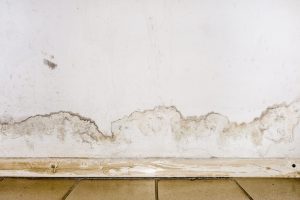
Paint peeling and water stains on drywall. 

Where there is peeling, there is usually water. Where there is water, there is mold. To prevent the spread of this potentially hazardous fungus, it's essential to address any signs of surface damage quickly and effectively.

Persistent sore throat or coughing, which is often unresponsive to antibiotic treatments.

Furthermore, additional symptoms such as rash and itching of the skin should not be overlooked.

If your home or building presents any of these eight telltale signs, it could indicate an elevated mold load. Be sure to investigate further for continued safety and peace of mind.

Improve indoor air quality and ensure a healthier environment for you and your family with Pure Maintenance of Texas. Get in touch today to find out how we can help!


Understanding the Risks of Mold and How to Identify It

Mold is a fungus that can form in your home and cause serious health risks. There are many types of mold, some of which can be easily identified by sight or smell, while others require more specialized tests.

This article will explain the dangers of mold, how to identify it, and what you should do if you think you have it in your home.


The Dangers of Mold

Mold can cause various health issues, from allergic reactions, sneezing, and coughing to more serious respiratory illnesses.

Long-term exposure may lead to chronic sinusitis or lung infections. Some molds produce toxins that can be harmful when ingested or inhaled.

How to Identify Mold

Mold often looks like small spots on walls or other surfaces that may be black, green, brown, or white. It may also have a musty odor that is easy to detect with your nose.

If you suspect mold in your home but don’t see any visible signs, you can use a moisture meter or infrared camera to detect hidden areas where moisture is present.

These tools are available at most hardware stores and can help you identify any potential sources of mold before they become a problem.

To identify mold in your home, look for the following signs:

  • Musty odors in your home
  • Visible mold growth, often appearing as black, green, or white spots
  • Peeling or discolored paint
  • Stains on walls or ceilings
  • Warped or distorted wood
  • Water damage, such as water stains or water leaks


What To Do if You Suspect Mold

If you find signs of mold in your home, it’s essential to remove it immediately. Start by addressing the source of the moisture—is there a leaky pipe? A crack in the foundation? An improperly sealed window?

Fixing these issues will reduce the chances of mold growth and ensure the problem doesn’t come back again. After selecting any underlying causes of moisture, thoroughly clean all affected surfaces with soap and water or an antifungal cleaner before repainting or sealing them off entirely with caulk or paint sealant.

If necessary, hire a professional to help with removal and cleanup—it’s better to be safe than sorry!

To prevent mold from growing in your home, take the following steps:

  • Keep your home well-ventilated
  • Fix any leaks or water damage as soon as they occur
  • Clean and dry any damp or wet areas in your home immediately
  • Use a dehumidifier in damp areas of your home
  • Ensure your home has proper drainage to prevent water from building up in crawl spaces or basements.

In conclusion, mold is a problem that poses significant risks to your health if not dealt with promptly and correctly. Fortunately, understanding how to identify potential sources of mold and taking quick action can help keep it from becoming an issue in your home.

Educating yourself on the dangers of mold is one way to protect yourself and your family from its adverse effects!

Are you facing indoor air quality issues due to mold in your home or business? Contact Pure Maintenance of Texas now and experience our reliable services that will provide a quick solution!