Mold in the Attic

Attics can be susceptible to various issues, from pests and water damage to dangerous mold. This fungus thrives in humid environments and presents a health hazard. Homeowners must protect their property by understanding the causes behind attic mold, its effects on people’s well-being, and how to prevent it. Stay informed about preventing these unwanted visitors!
Dangers and Health Risks of Mold in an Attic

Attic mold can cause various health problems, including allergic reactions, respiratory problems, and other health issues. Coughing, sneezing, itchy eyes, and skin rashes can all be telltale signs of an underlying health issue. In addition, people with pre-existing asthma should take extra caution, as mold exposure can further aggravate breathing difficulties.

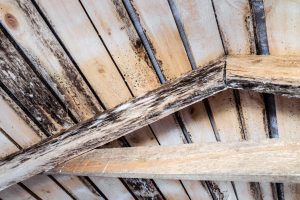
Mold in an attic can also cause damage to your home. Mold can weaken the structure of your attic and cause wood to rot, ultimately compromising your home's safety.

How to Treat Mold in an Attic

Treating mold in an attic can be complex, but addressing the problem as soon as possible is essential. If you suspect mold in your attic, it's best to call in a professional. They will assess the extent of the damage and recommend the best course of action.

Many companies specialize in mold remediation, but Pure Maintenance of Texas stands out. They use a unique, patented dry fog technology that is safe, fast, and effective in treating mold in the attic.

Here's how it works

  1. Assessment: A Pure Maintenance of Texas technician will assess the mold problem in your attic, identifying the extent of the damage and the type of mold present.
  2. Containment: They will contain the affected area to prevent the spread of mold spores to other parts of your home.
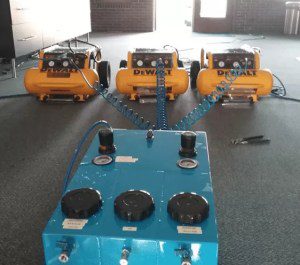
  3. Dry Fog Treatment: Pure Maintenance of Texas uses a patented dry fog technology that disperses a dry vapor of atomized particles throughout the affected area. This vapor can penetrate every nook and cranny of the attic, killing mold and its spores on contact.
  4. Post-treatment Assessment: Pure Maintenance of Texas guarantees successful mold remediation with a comprehensive post-treatment evaluation following the dry fog application. The assessment ensures that your environment is safe.
  5. Prevention: They deliver reliable protection against mold through comprehensive prevention strategies and a 1-year guarantee. Customers can enjoy long-term peace of mind.

One of the benefits of Pure Maintenance of Texas’ dry fog technology is that it is non-invasive, meaning that it doesn't require tearing out walls or insulation, making it less disruptive and time-consuming than traditional mold remediation methods. In addition, the technology is safe and eco-friendly, with no harsh chemicals or toxins.

In summary, Pure Maintenance of Texas is an excellent choice for treating mold in your attic. Their dry fog technology is fast, effective, and safe, and their ongoing prevention strategies can help keep your attic mold-free. If you're dealing with mold in your attic, consider Pure Maintenance of Texas as an option for treating the problem.

Contact us today to learn more!


Mold in your car? Here’s How to Treat it and Prevent it from Coming Back

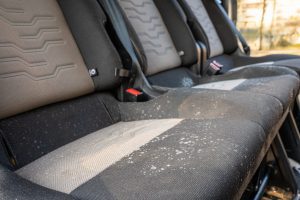
Mold and fungus on a row of car seats that have remained unused for several monthsMold in automobiles can be a frustrating problem for many car owners. Mold growth can lead to unpleasant odors, health issues, and damage to the car’s interior. But don’t worry. There are several ways to treat mold in automobiles and prevent it from returning.


What Causes Mold in Automobiles?

Excess moisture in automobiles causes mold growth. When moisture accumulates in a car’s interior, it creates a perfect environment for mold spores to grow and thrive. The moisture can come from a variety of sources, including:

  • Leaking windows or sunroof
  • Damp upholstery or carpets
  • Wet clothing or sports equipment left in the car
  • High humidity levels
  • Condensation from air conditioning

Treating Mold in Automobiles

If you discover mold in your car, it’s crucial to take action as soon as possible to prevent it from spreading and causing more damage. Here are some steps you can take to treat mold in automobiles:

Identify the source of moisture:

The first step is to identify and eliminate the source of moisture. This could mean fixing a leaky window or sunroof, removing wet upholstery or carpets, or storing damp clothing and equipment outside the car.

Remove visible mold:

Use a vacuum cleaner with a HEPA filter to remove any visible mold spores from the car’s interior. Be sure to clean all surfaces thoroughly, including the dashboard, seats, carpets, and headliner. If the mold growth is extensive, you may need to hire a professional to clean the car.

Use a mold remover:

Several mold removers are available to treat mold in automobiles. Choose a product that is specifically designed for use on car interiors and follow the instructions carefully.

Dry the car thoroughly:

Once the mold is removed, it’s essential to dry the vehicle thoroughly to prevent moisture from returning. For example, use a dehumidifier or leave the windows open to allow air to circulate and dry out the interior.

Preventing Mold in Automobiles

Preventing mold growth in automobiles is vital to avoiding the need for treatment in the first place. Here are some steps you can take to prevent mold from growing in your car:

Keep the interior dry:

Avoid leaving damp items in the car, and remove any standing water immediately.

Use a dehumidifier:

Use a dehumidifier to reduce humidity levels in the car, especially during the summer months.

Clean the air conditioning system:

Have the car’s air conditioning system cleaned and serviced regularly to prevent moisture buildup.

Clean the interior regularly:

Regular cleaning of the car’s interior can help prevent the buildup of dirt and moisture that can lead to mold growth.

In conclusion, automobile mold growth can be a frustrating and potentially dangerous problem for car owners. But by taking action to identify and eliminate sources of moisture, removing visible mold, and taking steps to prevent it from returning, you can keep your car mold-free and healthy.

Remember, prevention is critical to avoiding the need for treatment in the first place.

Combat mold in your car - contact Pure Maintenance of Texas now! Our specialists are here to guide you on the journey back to a healthy vehicle.


Dry Fog Mold Remediation: Is it Effective?

Mold growth in your home or office can be a severe problem and lead to health complications if left untreated. The most popular method is to remove any items that have been contaminated from the area and replace them entirely if necessary. This may include walls, cabinets, and even flooring!

That’s where dry fog mold remediation comes in. Our approach uses patented fogging technology to safely remove mold from your home without harsh chemicals or manual labor. Let’s take a closer look at how effective this method is compared to other mold removal methods.

How it Works

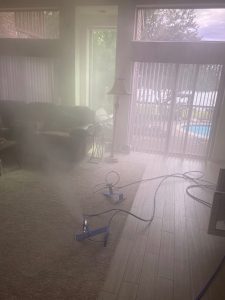
Dry fog technology converts antifungal agents into tiny particles released into the air, similar to a smoke machine used for special effects at concerts and other events. These particles are then dispersed throughout the affected area, covering every surface and penetrating even the most hard-to-reach places easily.

As a result, dry fog can reach areas that would otherwise be difficult or impossible to reach with traditional cleaning methods, such as behind walls, ceilings, or under furniture. This makes dry fog an effective way to target even the most stubborn areas of mold growth in your home.

Efficiency Compared to Other Methods

Dry fog is more effective than traditional methods, such as containing, tear-out, and rebuilding, because it can reach areas that would otherwise be inaccessible with manual labor or chemical solutions.

It is also much less time-consuming than manual labor and requires no additional equipment beyond our patented fogging machine —making it an ideal solution when time is of the essence.

Furthermore, dry fog is as effective in removing tough mold stains as chemical solutions while being significantly less toxic—ensuring a safe environment for all occupants after treatment.

In conclusion, dry fog mold remediation effectively remediates mold from your home quickly and efficiently without relying on hazardous chemicals or manual labor.

In addition, it can reach difficult or impossible areas for traditional cleaning methods, making it better equipped for tackling stubborn areas of growth that may have otherwise gone unnoticed until now.

If you are looking for an efficient way to remove mold from your home without risking damage from harsh chemicals, then dry fog may be just what you need!

Contact Pure Maintenance of Texas today to learn more!


The Dangers of HVAC Mold

Mold can be found in many places, and one of these places is your heating, ventilation, and air conditioning (HVAC) system. Mold can occur in the HVAC system when moisture builds up due to condensation or leaks. This type of mold is especially dangerous because it can spread quickly throughout a home or building.

What are the Dangers of HVAC Mold?

Mold spores are microscopic fungi that thrive on moist surfaces and release allergens into the air that can trigger allergies and asthma attacks. Not only that, but the presence of mold in an HVAC system can cause a decrease in air quality, leading to headaches, dizziness, nausea, eye irritation, chest tightness, and more. Left untreated, mold growth in an HVAC system can eventually cause structural damage and damage to the ductwork itself.

How Do You Remove Mold From Your HVAC System?

The first step is determining where the source of moisture is coming from so that it can be addressed properly. You should contact a professional for safe removal and repair services if you spot any visible signs of mold growth in your ductwork or other HVAC system components. A professional technician will have all the necessary tools and equipment needed for proper sterilization and removal, as well as any necessary repairs that may be required to prevent future mold growth.

In conclusion, mold growth in an HVAC system poses a serious health risk to anyone living inside a home or building with contaminated ducts. To ensure safe removal, it’s essential to contact a professional with HVAC mold removal services experience, so they can properly identify the source of moisture causing the problem and take steps to ensure future prevention. Taking care of your HVAC system now will help save you time and money down the road!

Looking for a solution to recurring mold in your HVAC system? Pure Maintenance of Texas is an expert at ridding systems of detrimental pathogens and aiding property owners in maintaining a healthier environment. Get in contact today and discover the ultimate preventative measures against persistent mold growth.

Are Air Quality Tests Missing Something?

Taking an air quality test when a customer believes mold might contaminate their home is the first step. Yet, hearing some technicians arrive and announce they are there to take such tests without delving into details can be disconcerting - especially since false negatives may occur! 

Not only does this create distrust between customers and techs, but it also sends misinformation about potential hazards directly to healthcare providers due to a lack of expertise from the technician's side. 

At Pure Maintenance of Texas, we always strive to be experts in our field to provide valuable information reliably.


If you ever wonder about the air quality around you, there are many tell-tale signs to look out for - aside from an official air quality test:

You feel under the weather all the time with no particular cause.

Trust your gut - take some time to look at home for potential sources of fatigue. You know yourself and your environment better than anyone else, so relying on your instincts will often lead you in the right direction.

Your home has been subject to a past flood or leak event.

There is a very high chance you could be dealing with elevated mold levels. Have peace of mind knowing that the effects can typically be reversed and remedied through proper inspection and treatment.

Your home has an odor.

The idea of a 'musty-smelling house' is universally understood, yet its inhabitants can often be oblivious to the underlying odor due presumably to our natural ability for adaptation. It's something that human biology blesses and curses us with, usually without any warning!

When the air conditioner or heater is switched on, there’s an unpleasant odor.

This can often be attributed to a high level of mold colonies living in the HVAC system - essentially transforming it into a veritable breeding ground.

The bathroom has signs of darkened grout or mold on the ceiling or around drains/window sills.

All these seem normal, but unfortunately, a healthy home should have none or at least very few instances of these - any such issues must be identified and addressed promptly for health reasons.

Seasonal allergies have become less seasonal and are constant.

Allergens don’t always follow the seasons - many homeowners find their symptoms persist throughout the year. Fungal spores from excess mold in homes can wreak havoc on people's sinuses and is often a flag for professional remediation services. Frequent morning congestion, compounded by unpleasant discharge upon blowing one’s nose, indicates an elevated fungal load that needs to be addressed as soon as possible.

Paint peeling and water stains on drywall. 

Where there is peeling, there is usually water. Where there is water, there is mold. To prevent the spread of this potentially hazardous fungus, it's essential to address any signs of surface damage quickly and effectively.

Persistent sore throat or coughing, which is often unresponsive to antibiotic treatments.

Furthermore, additional symptoms such as rash and itching of the skin should not be overlooked.

If your home or building presents any of these eight telltale signs, it could indicate an elevated mold load. Be sure to investigate further for continued safety and peace of mind.

Improve indoor air quality and ensure a healthier environment for you and your family with Pure Maintenance of Texas. Get in touch today to find out how we can help!


The Importance of Indoor Humidity Control

Mold, mold, mold. It's a topic that no one wants to discuss, but it affects many of us. Whether in our homes or workplaces, mold can be a real pain. But did you know that one of the best ways to prevent mold growth is by controlling indoor humidity?

In this article, we'll talk about why indoor humidity control is essential, how to measure it, and some easy ways to control it.


Why is indoor humidity control important?

Mold loves warm and damp environments. So if your humidity levels are too high, we can reduce the risk of mold growth and keep our homes and workplaces safe.

How do we measure indoor humidity?

You can buy a hygrometer (fancy name for a humidity-measuring device) and use it to measure your humidity levels inside your home or building. The ideal humidity level is between 30% and 50%. If your levels are higher, it's time to take action!

So, what can we do to control indoor humidity?

There are a few simple things you can do:

  • Use a dehumidifier: These handy devices remove moisture from the air, lowering humidity levels in your home or building.
  • Increase ventilation: We can reduce humidity levels by allowing moist air to escape.
  • Fix leaks: Leaks can cause an increase in humidity levels, so fixing leaks as soon as possible is a must.
  • Insulate: Insulating your home or building can prevent warm air from entering and cold air from escaping, which in turn can help lower humidity levels.

People have long been aware of the dangers and problems caused by mold growth, such as health issues. But many don't know that controlling indoor humidity can stave off potential infestations!

What do the experts say?

Thankfully, some experts study this topic in depth - so if you want guidance on how best to regulate moisture levels indoors, check out their websites for more information:

In conclusion, indoor humidity control is crucial in preventing mold growth. We can keep our homes and workplaces mold-free by measuring humidity levels and taking steps to control them. And let's be honest, who doesn't want that?

Are you concerned about mold growth in your indoor environment? Contact us now to learn more about preventing moisture-related problems and maintaining optimal humidity levels!

What is Dry Fog Mold Remediation, and How Does It Work?

Pure Maintenance's Sugar Land mold remediation is an innovative two-step process that ensures all indoor spaces are free from pesky and potentially hazardous growth. Our patented dry fog technology produces a safe, ultra-fine vapor comprised of water and an environmentally friendly biocide that effectively penetrates even the most difficult-to-reach areas like air ducts or behind walls for complete coverage against existing mold spores.

A Comprehensive Process

At the start of any mold remediation job, our team begins with a comprehensive evaluation to determine all areas affected. Following this, we utilize advanced dry fog equipment and EPA-approved products that work in perfect synergy to eliminate visible and hidden mold - preventing it from coming back for good. 

Non-Destructive

Our process offers a non-destructive way to fight against potentially hazardous mold. No expensive tear-out or sanding is needed, so you can keep furniture, clothing, and other items safe - plus, the process takes only 4–6 hours! Save energy (and money!) while getting your home clean fast with minimal disruption.

Commercial Properties

The treatment is also suitable for larger commercial properties where mold is often a problem. Our equipment is able to cover large areas quickly and effectively, eliminating mold in a matter of hours and allowing the business to resume operations as soon as possible.

Conclusion

Dry fog remediation is an incredibly efficient way to remove mold and ensure the health of any indoor space. This non-invasive method can be used in residential or commercial buildings and penetrates even hard-to-reach areas like air ducts, completely eliminating all traces of dangerous spores for good. With dry fog technology, users are guaranteed a safe environment free from hazardous fungal growth!

Contact us today to learn more!

Understanding the Risks of Mold and How to Identify It

Mold is a fungus that can form in your home and cause serious health risks. There are many types of mold, some of which can be easily identified by sight or smell, while others require more specialized tests.

This article will explain the dangers of mold, how to identify it, and what you should do if you think you have it in your home.


The Dangers of Mold

Mold can cause various health issues, from allergic reactions, sneezing, and coughing to more serious respiratory illnesses.

Long-term exposure may lead to chronic sinusitis or lung infections. Some molds produce toxins that can be harmful when ingested or inhaled.

How to Identify Mold

Mold often looks like small spots on walls or other surfaces that may be black, green, brown, or white. It may also have a musty odor that is easy to detect with your nose.

If you suspect mold in your home but don’t see any visible signs, you can use a moisture meter or infrared camera to detect hidden areas where moisture is present.

These tools are available at most hardware stores and can help you identify any potential sources of mold before they become a problem.

To identify mold in your home, look for the following signs:

  • Musty odors in your home
  • Visible mold growth, often appearing as black, green, or white spots
  • Peeling or discolored paint
  • Stains on walls or ceilings
  • Warped or distorted wood
  • Water damage, such as water stains or water leaks


What To Do if You Suspect Mold

If you find signs of mold in your home, it’s essential to remove it immediately. Start by addressing the source of the moisture—is there a leaky pipe? A crack in the foundation? An improperly sealed window?

Fixing these issues will reduce the chances of mold growth and ensure the problem doesn’t come back again. After selecting any underlying causes of moisture, thoroughly clean all affected surfaces with soap and water or an antifungal cleaner before repainting or sealing them off entirely with caulk or paint sealant.

If necessary, hire a professional to help with removal and cleanup—it’s better to be safe than sorry!

To prevent mold from growing in your home, take the following steps:

  • Keep your home well-ventilated
  • Fix any leaks or water damage as soon as they occur
  • Clean and dry any damp or wet areas in your home immediately
  • Use a dehumidifier in damp areas of your home
  • Ensure your home has proper drainage to prevent water from building up in crawl spaces or basements.

In conclusion, mold is a problem that poses significant risks to your health if not dealt with promptly and correctly. Fortunately, understanding how to identify potential sources of mold and taking quick action can help keep it from becoming an issue in your home.

Educating yourself on the dangers of mold is one way to protect yourself and your family from its adverse effects!

Are you facing indoor air quality issues due to mold in your home or business? Contact Pure Maintenance of Texas now and experience our reliable services that will provide a quick solution!


Why does bread mold so fast in my house?

Have you ever gone to grab something from the fridge or pantry to find mold taking over? Not only is it gross, but have you ever stopped and wondered - Is this coming from my home, or was the produce already pre-inoculated before I even brought in groceries? 

It's a common problem plaguing households with high “Mold Loads.” The answer may not be so simple – for starters, there are many factors at play, like what happens on farms when harvest season starts, all the way up until packaging plants review fruit, veggies, and bread before hitting retail shelves. Rules of thumb suggest if more than 10% of products show signs of bacteria/mold during an inspection by the store receiving manager, then stores won't accept them!

Apples, for instance - if stored in the refrigerator, should remain edible for up to 4–6 weeks and 5–7 days on the countertop - but if your home's mold load is exceptionally high, this timeline may drastically shorten. 

Moldy food can be an unfortunate reality of indoor living. But you can fight back! As a homeowner, there are several steps you can take to help prevent premature spoilage: reducing humidity levels and keeping surfaces clean, with regular disinfecting being among them!


1 - To ensure the highest level of freshness and food safety, Health.com recommends washing all produce before consuming it. Rinsing away dirt, bacteria and pesticides helps to remove unsavory residues that can interfere with taste or texture as well as potentially dangerous pathogens like E. coli, salmonella, and norovirus, which can cause foodborne illness if not properly washed off first!

2 - To ensure your fruits and veggies last longer, dry them thoroughly to discourage any unwanted moldy visitors.

3 - Stay informed of best-by dates to get the most out of your deli meats and cheeses! As soon as you return home from grocery shopping, be sure to put items in the refrigerator straight away for optimal freshness.

4 - For mold-free bread, keep it fresh and dry! It's easy to ensure your store-bought loaf remains in good condition by keeping the original packaging intact. Stopping moisture build-up will help control unwanted growth without having to worry about spoiling quickly.


If you're noticing food going bad too fast, it could be a sign that your home has an "elevated mold load." This includes the presence of spores and mycotoxins associated with harmful mold. If foods like fruits and vegetables, meats, cheeses, or bread deteriorate quickly in your house, chances are indoor air quality is negatively impacting your well-being.

Fortunately, Pure Maintenance of Texas is here to provide help! We offer professional services designed to tackle this very issue - from testing for contaminants in the home or office to complete disinfection with an EPA-approved anti-microbial solution using our patented dry fog technology.

Ready to take control over your AIR QUALITY? Contact us today for more details on how we can keep perishables fresher longer!

Is Mold Remediation Covered by Insurance?

If you have mold in your home, you may be wondering if the cost of mold remediation is covered by your insurance policy. The answer to this question depends on a few factors, including the type and extent of the damage and the cause of mold growth.

Let's take a closer look at how insurance companies approach mold remediation.


What Causes Mold Growth?

Mold growth can occur for a variety of reasons, ranging from water damage due to plumbing leaks or flooding to inadequate ventilation in high-humidity rooms.

In order for an insurance carrier to cover any associated costs with mold remediation, they must first determine that the cause of the mold was due to an event or occurrence that is covered under your policy; otherwise, they will deny coverage.

For example, if a pipe burst and caused flooding in your basement that then led to mold growth, this would likely be covered by your standard homeowners' insurance policy.


Types Of Coverage For Mold Remediation

Suppose it is determined that your policy does indeed cover the cost of removing and repairing any damage caused by mold growth. In that case, there are typically two types of coverage available: structural coverage and personal property coverage.

Structural coverage covers any repairs necessary to restore damaged walls, floors, ceilings, etc. In contrast, personal property coverage covers any items that were damaged as a result of the mold (for example, furniture or clothing).

Depending on your policy limits and deductible amounts, you may also be able to file multiple claims over time for ongoing issues related to the same incident or occurrence.


Conclusion

In short, yes - many times, insurance will cover some or all of the costs associated with mold remediation. However, since this can vary based on individual policies and the specific circumstances of each case, it's important to double-check with your insurer before proceeding with any action plan involving removal and repair work.

Nevertheless, taking care of any potential issues with moisture build-up in your home is always recommended; not only can it help avoid costly repairs down the line, but it can also improve air quality inside your home!

Pure Maintenance of Texas can provide you with the expertise to determine if your mold remediation project is covered by insurance. Get in touch today for more information!